Hunter and Hunted
While the factory team Porsche Penske Motorsport records success after success in the IMSA SportsCar Championship, customer team JDC-Miller MotorSports battles hard for every point with the third Porsche 963 in the field. A report from the 12 Hours of Sebring race.

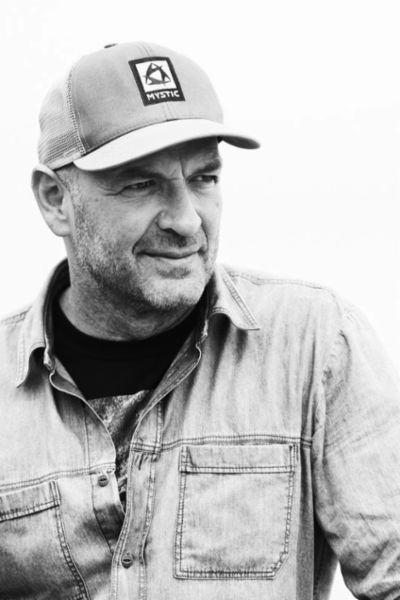
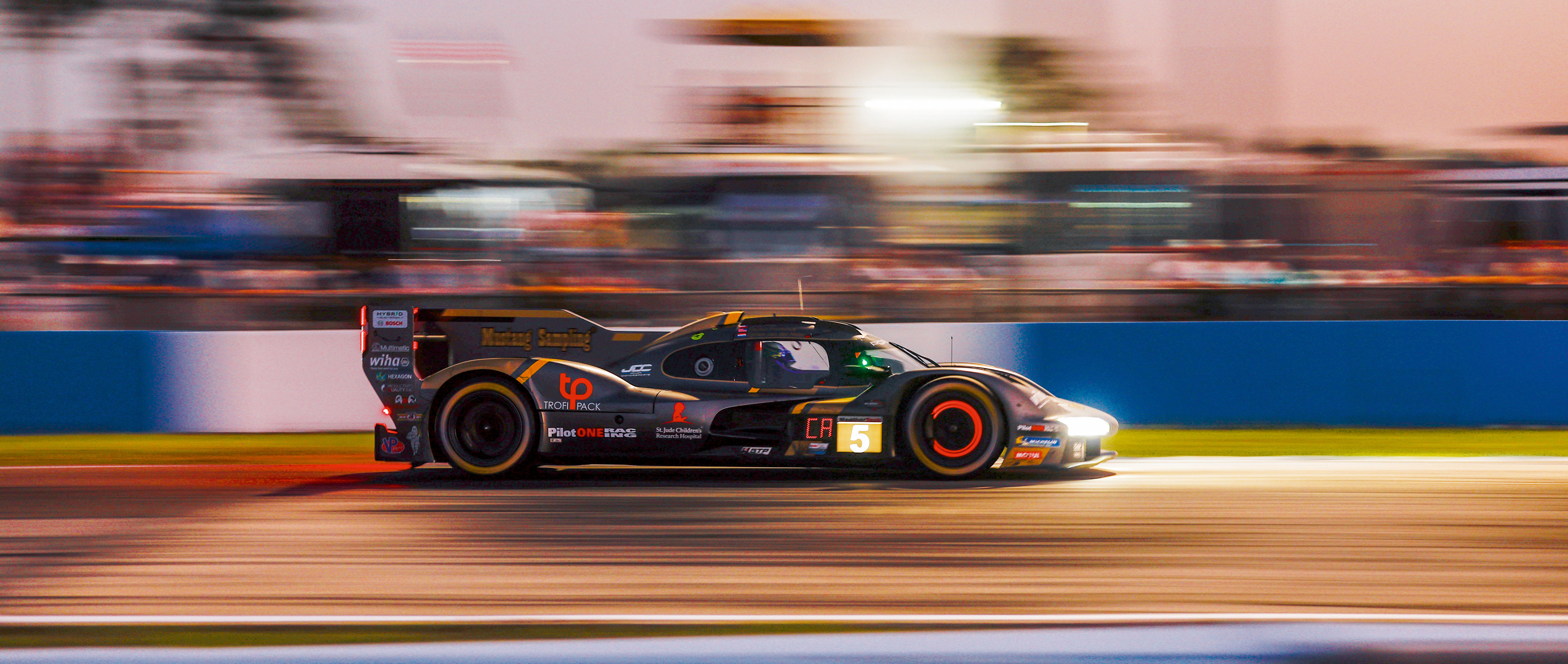
Sebring, March 21, 2026, just after 10 o’clock in the morning. John Church looks happy. He watches on as a large pack of 54 cars rev up their engines and set off on their second warm-up lap at Sebring International Raceway. One of them belongs to his team: the Porsche 963 bearing race number 5. A hybrid prototype from the top-tier GTP class, which is competing for overall victory in the classic 12-hour endurance race in Florida. The prototype racer with power of 500 kW (680 PS) is somewhat of a rarity in the North American IMSA WeatherTech SportsCar Championship. Private racing team JDC-Miller MotorSports defies the odds by taking on 10 GTP race cars from prestigious factory teams like the one leading the way in the standings, Porsche Penske Motorsport. This is a David versus Goliath battle – little against large, with limited resources on one side and a mighty organization on the other. However, 55-year-old John Church says: “Once the green flag is raised and the race gets under way, it’s a level playing field for everyone.”
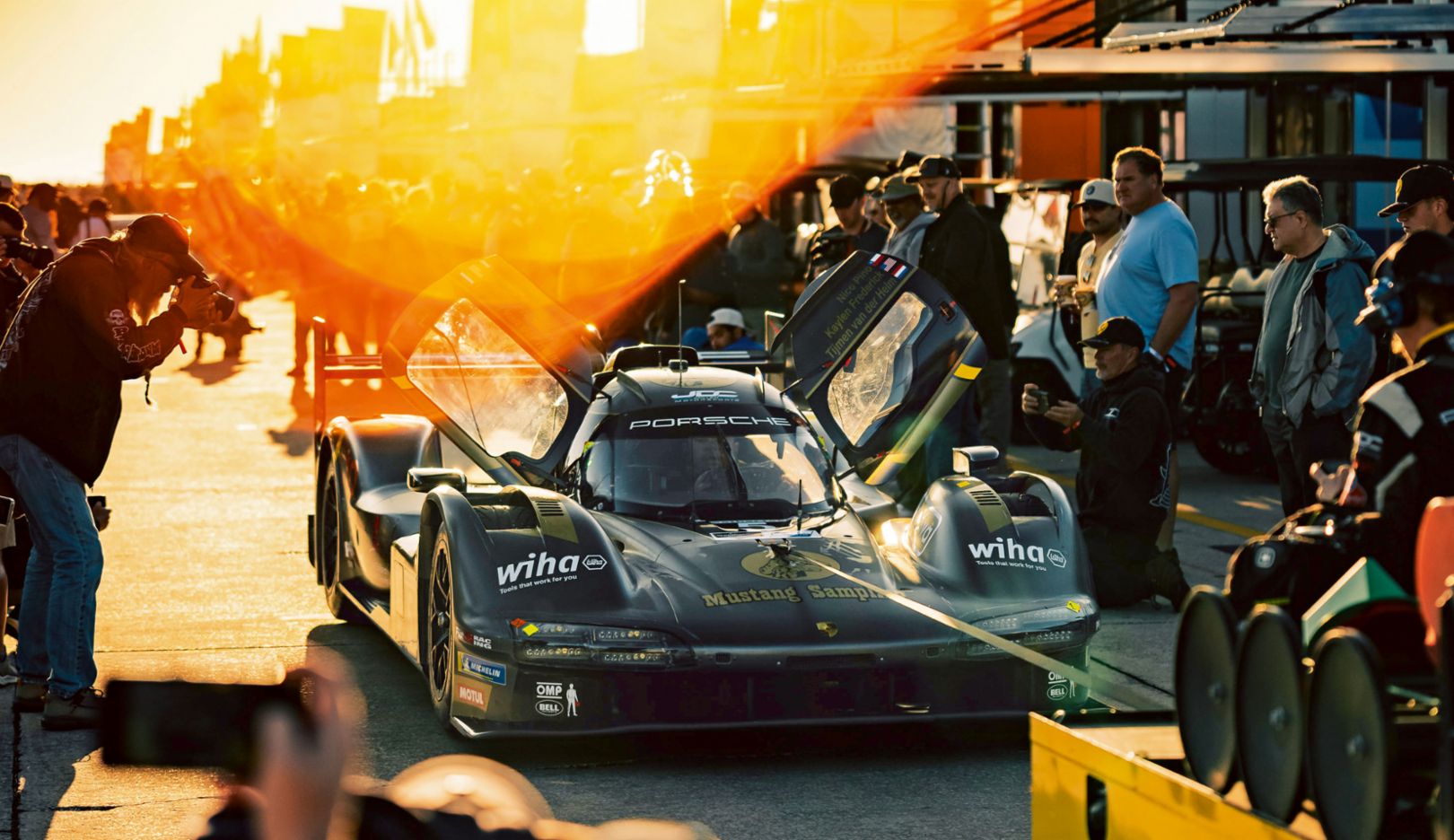
Challenger:
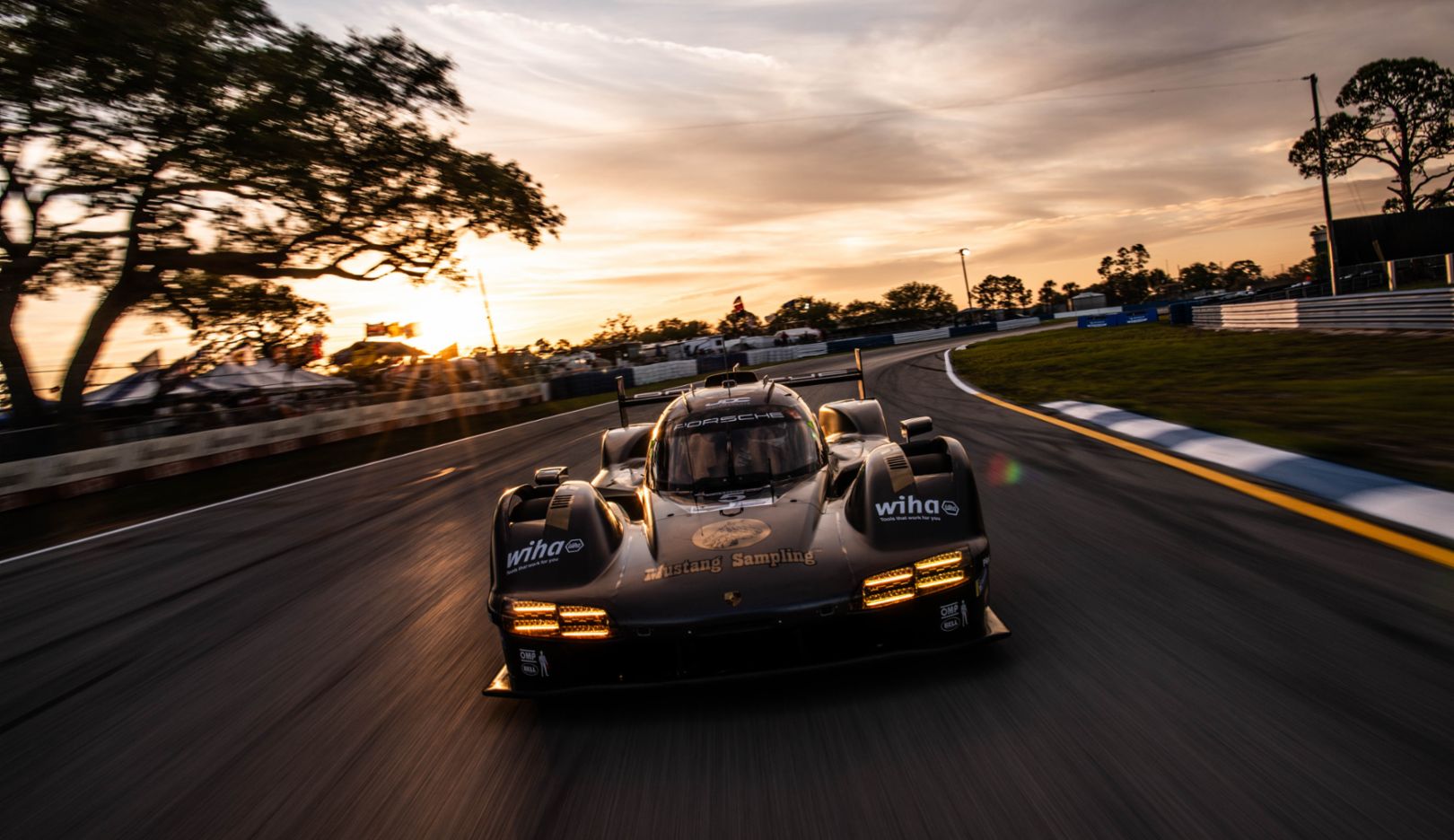
Normally all in yellow, the 963 from the JDC customer team sports a darker design at the 12 Hours of Sebring.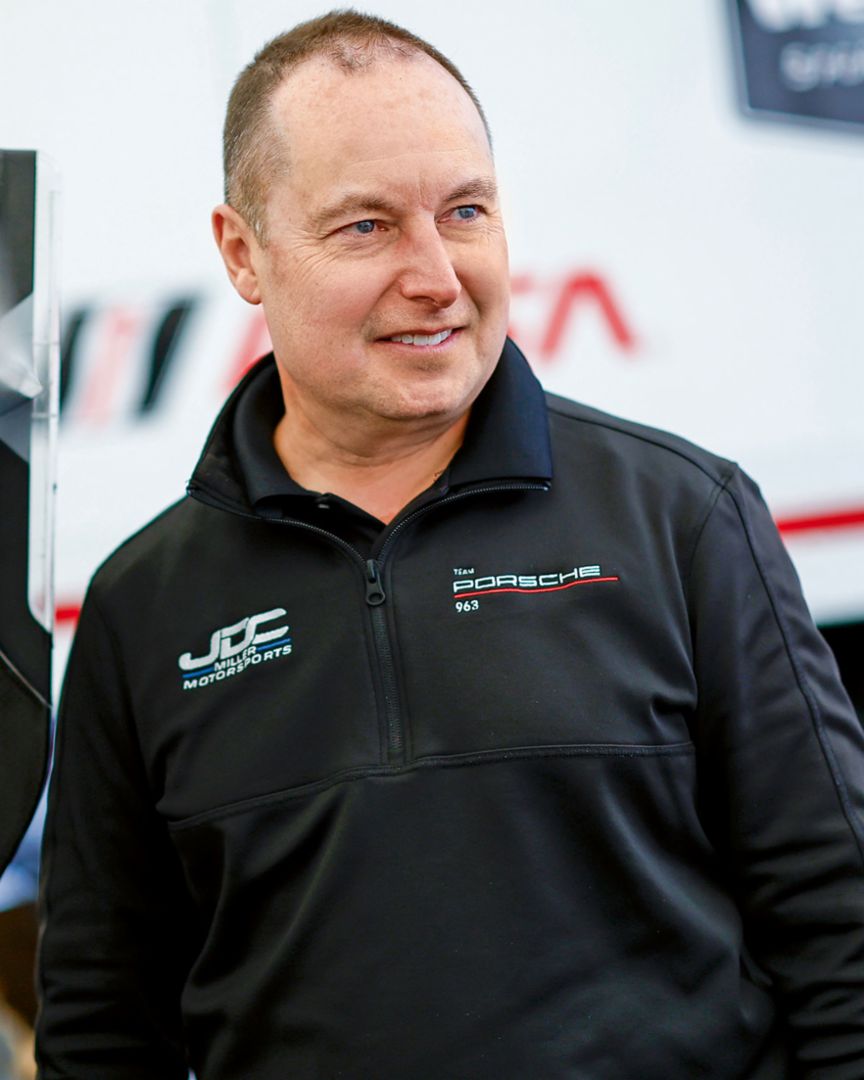
Team principal:
John Church and his team were the first to enter a private 963 in the series.The team was founded by John Church and racing driver John Miller and is now a mainstay in American motor racing. Church has been a passionate motorsports fan since his youth, when his father hired out a Formula Ford car in the early 1980s to take part in a Sports Car Club of America (SCCA) program. This was how his dream began, but John Church initially studied business management before getting his own driving experience in the USF2000 development racing series. After completing his studies, he kept his motorsports dream alive and founded the racing team in 1994.
In 2014, the team secured promotion into the former United SportsCar Championship (USCC), the precursor to today’s IMSA sports car series. Two years later, the small team from Savage, Minnesota, made its breakthrough with victory in the PC class at the 24 Hours of Daytona. This was followed in 2018 by overall victory at the Six Hours of Watkins Glen.
In 2021, Church celebrated his next major triumph: He and his team claimed victory in the 12 Hours of Sebring with a DPi prototype. A good omen?
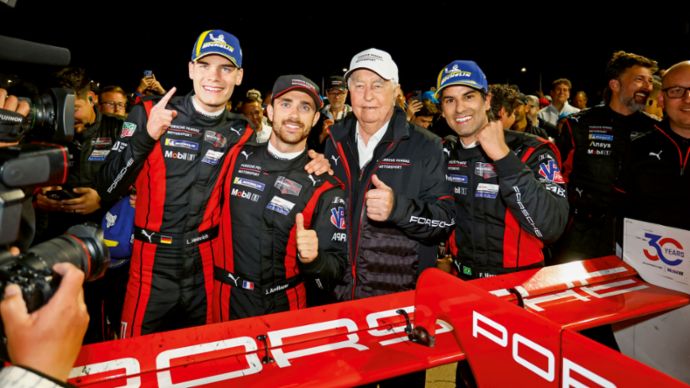
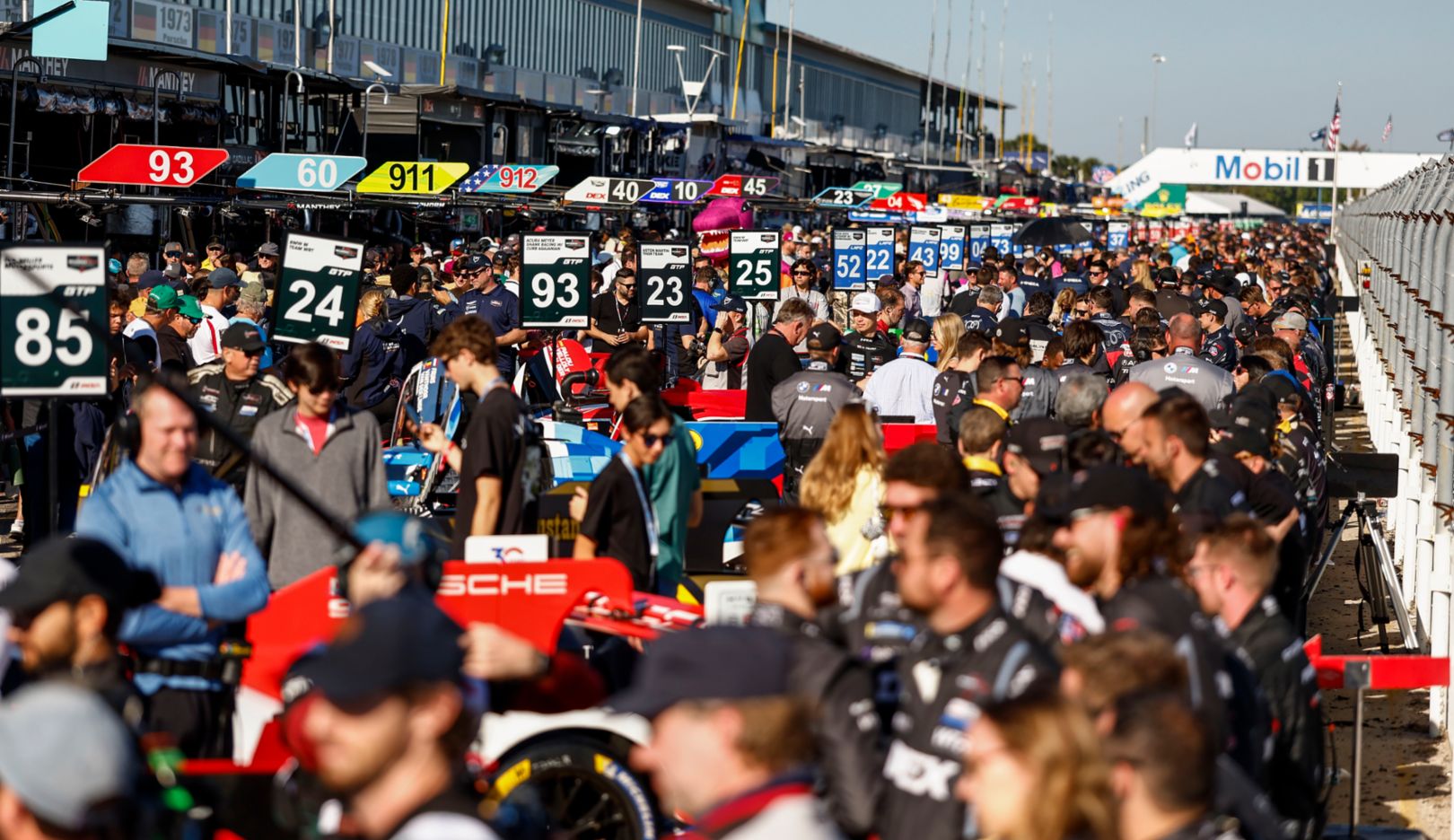
The rumbling noise on the airport circuit grows louder. The race cars make their way toward the final bend before the home straight. The tires and brakes should now be at the desired operating temperature. The tension among the drivers, teams, and thousands of spectators around the track quickly reaches a crescendo – the spectacle could erupt at any moment. The JDC-Miller MotorSports 963 is waiting for its opportunity, lining up seventh on the grid. Directly in front of it is car number 7 from the Porsche factory team, piloted by last year’s winner Felipe Nasr. The Brazilian driver already has a win to his name in Daytona in January, together with former Porsche Junior drivers Julien Andlauer from France and Laurin Heinrich from Germany. In Sebring qualifying, the trio were just four hundredths of a second faster than the JDC customer team, which in turn kept both factory BMW entrants and one of the Acura Honda entrants at bay.
All decided in the final hour
The field charges off, and the roar of the engines seems to make the track shake. After a fast start, things begin to get hectic around the first few bends and laps. Part of the 6.02-kilometer track runs over an uneven concrete surface, with severe bumps that push drivers and chassis to their limits. The fans have come up with their own hashtag for this: #RespectTheBumps.
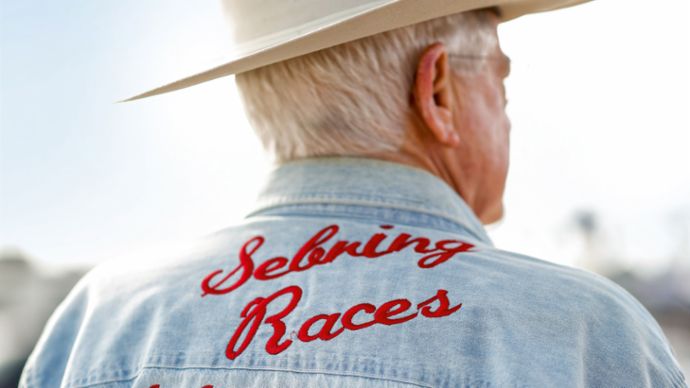
Tradition:
The 12 Hours of Sebring endurance race is a staple in the North American IMSA series.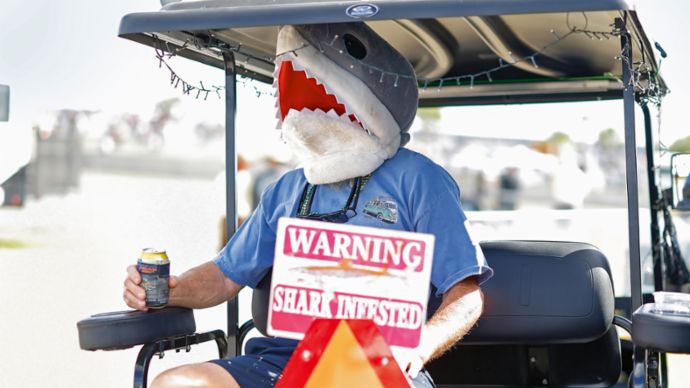
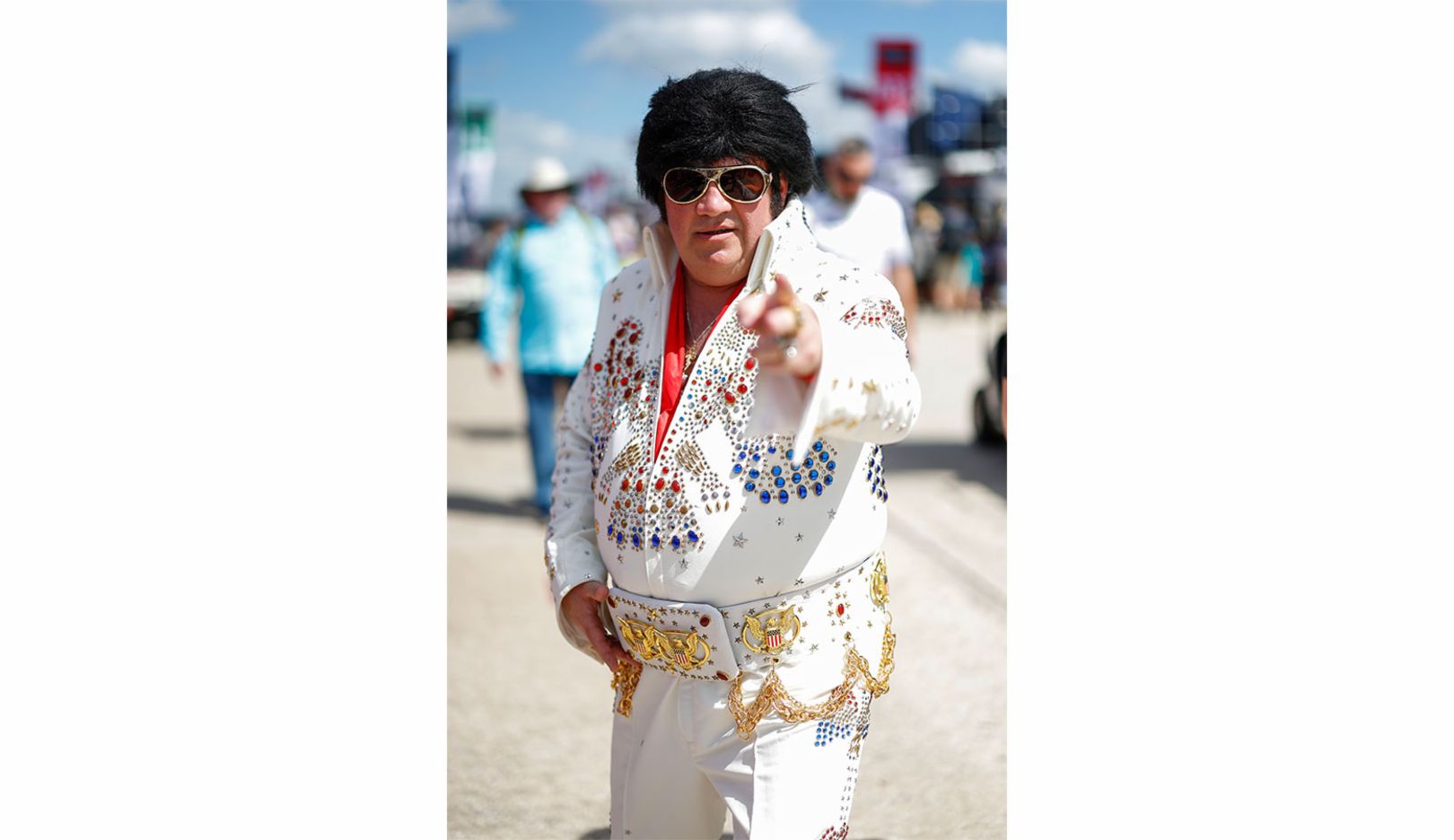
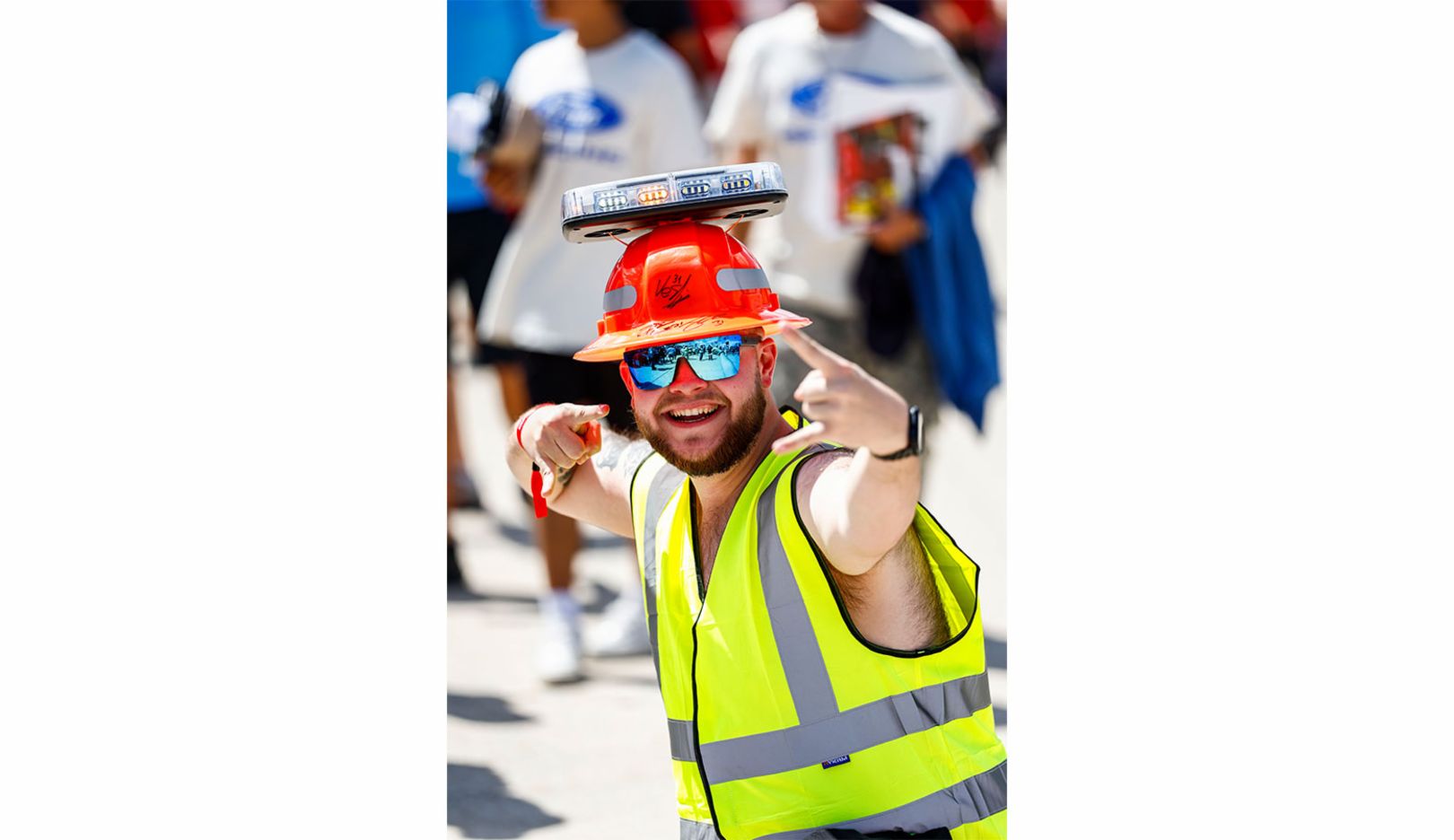
Fan base:
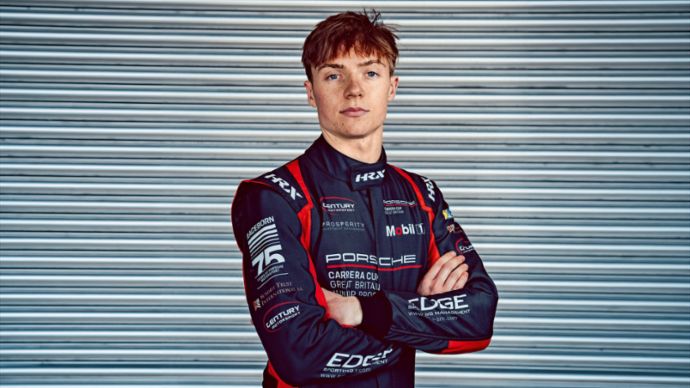
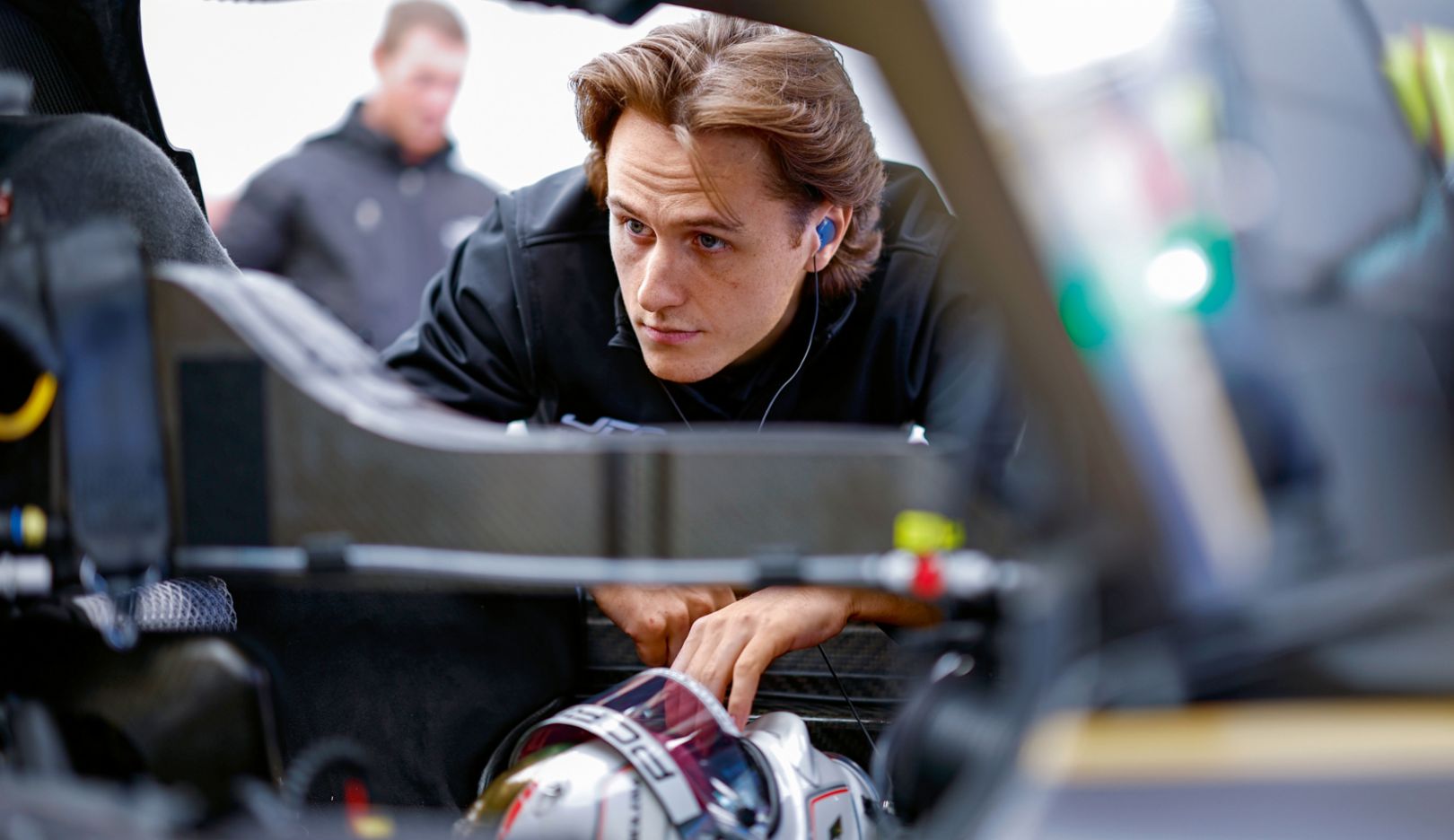
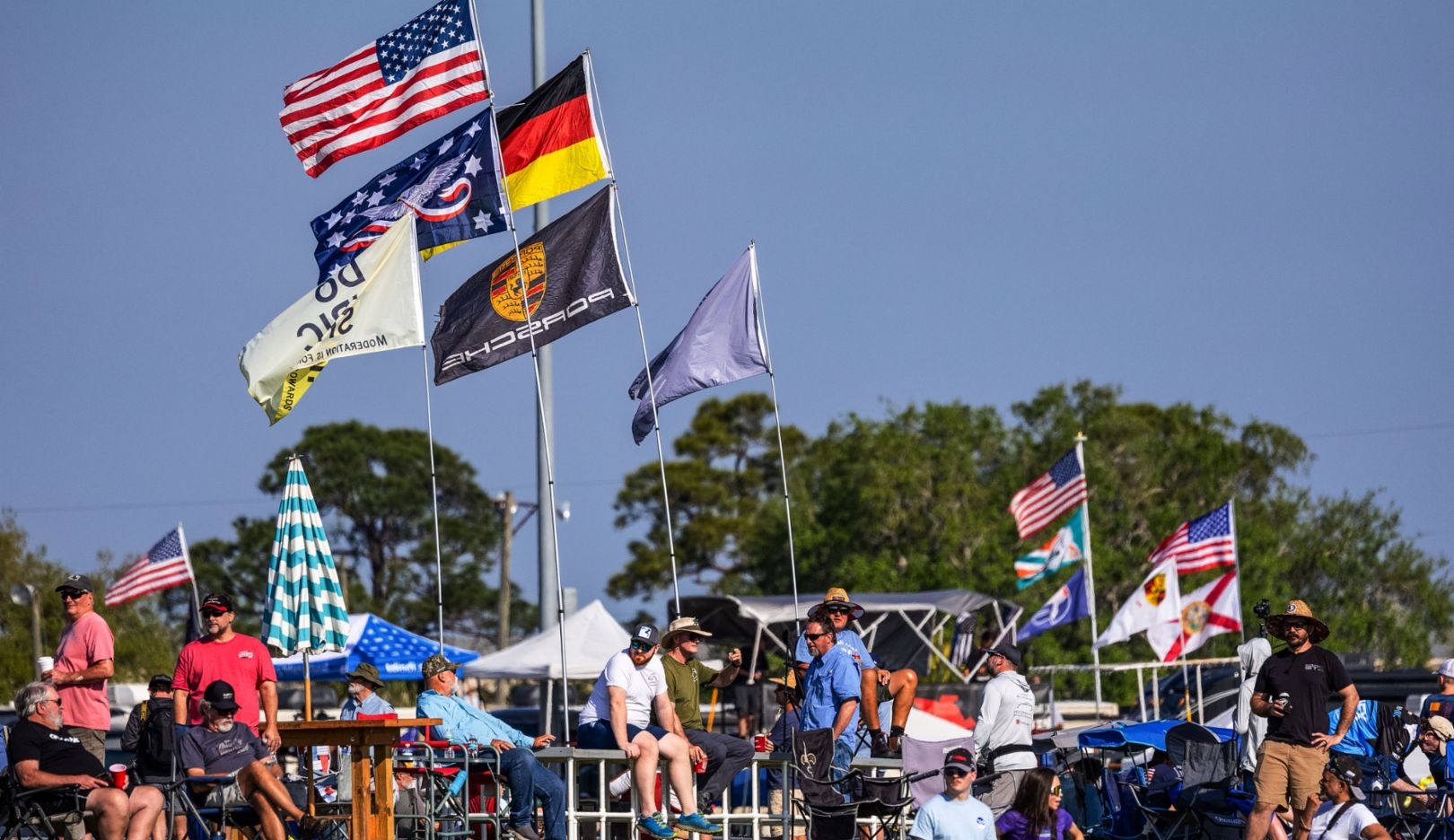
Many fans have been coming to Sebring for decades – and keep finding new ways to enjoy the motorsport event.Kaylen Frederick keeps his nerves. The 23-year-old is driving the 963 for JDC for the second time and already looks like quite a find. Sport prototypes and IMSA are all new to him. Up to now, the young American had primarily driven Formula race cars, winning the British Formula 3 championship in 2020. Most recently, he was competing in the Japanese Super Formula Lights. Church is full of praise for him: “Kaylen has done a great job!” In Daytona and Sebring, Frederick supported regular JDC driver Tijmen van der Helm from the Netherlands and Chilean driver Nico Pino as the third driver in the endurance races that count toward the Michelin Endurance Cup. This is a separate competition within the IMSA WeatherTech SportsCar Championship that also includes the six-hour races at Watkins Glen and Road America, as well as the 10-hour season finale, the “Petit Le Mans” at Road Atlanta.
Talent:
Kaylen Frederick began the season in impressive form. The American speaks fluent German.Frederick has come to grips with IMSA very quickly. As there are frequent safety car phases when the field tends to get bunched up, races in the North American series are often only decided in the final hour. Until this point, the main goal is to stay in touch with the cars at the front. Not to make any mistakes that could mean falling a lap behind. Keeping pace with the leaders, but driving as efficiently as possible and keeping a close eye on fuel consumption – those who need less fuel when everybody is coming to the pit at the same time during a safety car phase can get out of the pit faster and have the chance to make up lost ground.
A customer team taking on the factory teams
After the first hour of the race, however, even this does not help Frederick. Just as Kévin Estre is taking the lead, his teammate Nasr, who was charging through the field, spins the JDC Porsche around. The former Formula 1 driver had previously been forced to make a brief pit stop for repairs after a collision with an overeager rival that was not his fault. The drive-through penalty for making contact with Frederick sends Nasr to the back of the GTP field once again, whilst the JDC rookie drops to 11th place following a spin that he could do nothing about. Minor incidents like this do not faze John Church. He has seen it all before in over three decades of racing.
“We work very closely with Porsche Motorsport and the factory team.”
John Church
Triumphant:
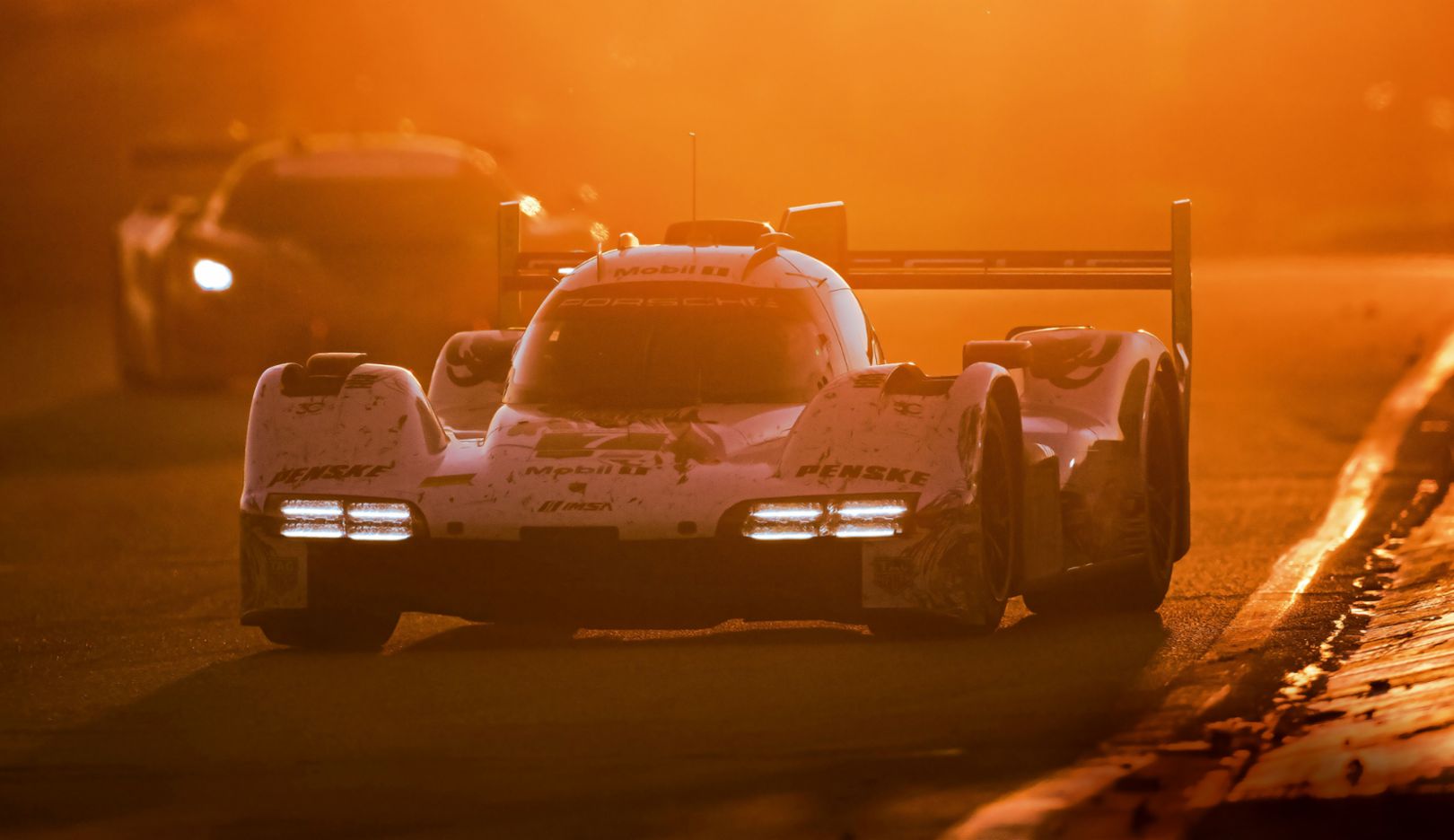
Things are going very well for Porsche Penske Motorsport in the IMSA series. Just like in 2025, the factory team has started off the new season with more race victories this year.The team principal had a big decision to make before the start of the 2023 season. IMSA introduced new rules for top-tier racing, which would now be known as “Grand Touring Prototype” (GTP). Replacing the simpler DPi prototypes the team had been using up to that point were LMDh race cars, which would also be eligible to compete in the World Endurance Championship (WEC) and 24 Hours of Le Mans in the same form. With hybrid powertrains built using far more sophisticated technology, they are primarily suitable for factory teams – even though customer racing was also taken into account in the new regulations from the outset. This suited Porsche down to the ground, as independent racing teams have always been an integral part of the sports car manufacturer’s involvement in motorsport. The Swabian manufacturer is one of the world’s largest providers of race cars.
Church took the bold step and JDC-Miller became the first private team to enter an LMDh prototype in Laguna Seca on May 14, 2023. Why a 963? “We knew that Porsche would be setting the standard, and if you want to be successful in motorsport, you need to have the best equipment,” says the Minnesota native. “Beyond that, no other manufacturer has taken LMDh customer racing as seriously as Porsche has to this day.”
Jumping in at the deep end has proven successful for JDC-Miller MotorSports. Within their first year, van der Helm and his German colleague Mike Rockenfeller made the top 4 in four of their six race starts. In 2024, the Dutch driver, together with the British pair Richard Westbrook and Phil Hanson, even made the podium at the Indianapolis Motor Speedway – a remarkable outcome. “Fifth place or better is an exceptional result for us,” says Church.
Bedlam:
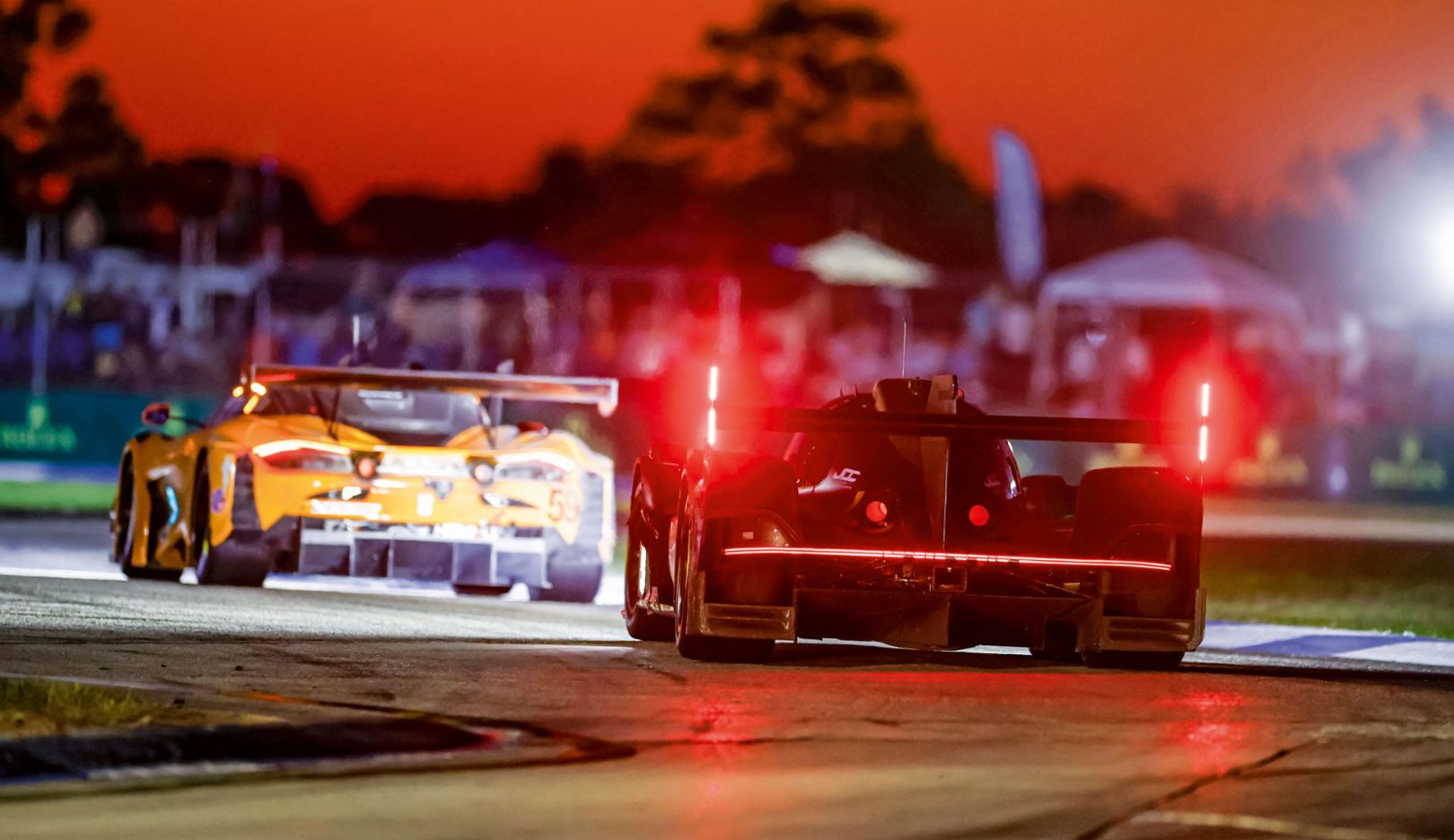
IMSA is multi-class racing in its purest form – fast hybrid prototypes share the track with GTD race cars.Motorsport is a family matter for JDC-Miller
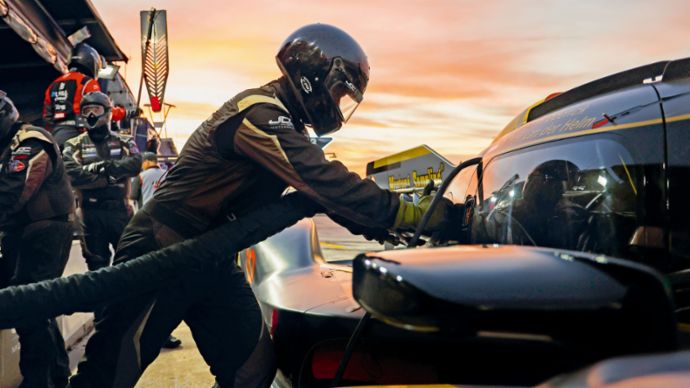
After yellow flags are raised five times, things have now calmed down in Sebring. In the high afternoon temperatures, the two Porsche Penske Motorsport 963 at the front appear to have everything under control, while the JDC car fluctuates between fifth and eighth place depending on its pit stop cycles. It even gets up to fourth as evening sets in. The team is doing a stellar job. Of course, it is a much smaller group compared to the sports car manufacturer’s factory teams. While Porsche Penske has around 50 people looking after its two cars, JDC has only six full-time employees. At the track, there are around 20 people on hand, including children.
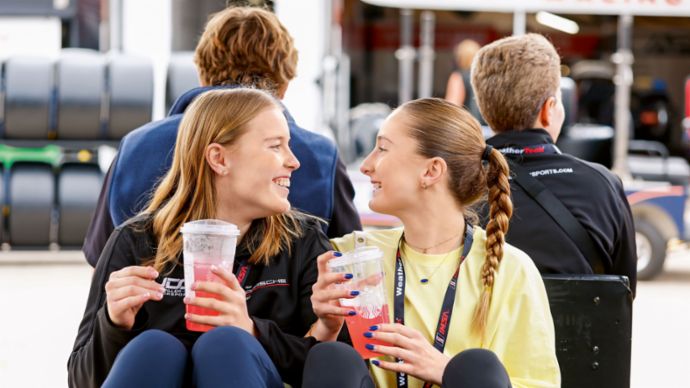
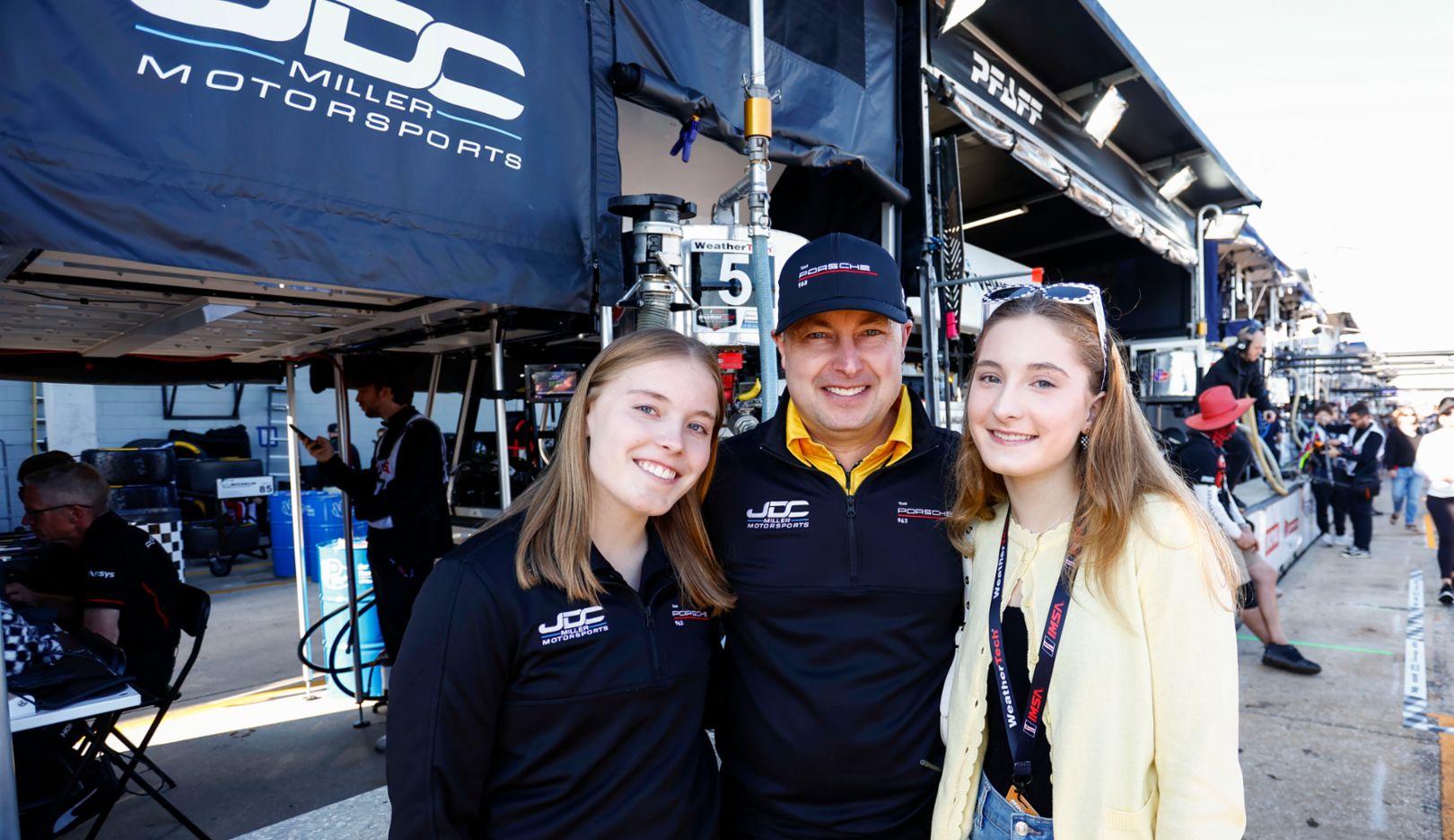
“We go toe to toe as a family with some really top-class teams,” Church laughs, referring to his wife Katie, who is part of the management team and whose duties include travel planning and logistics, and his two daughters, Sophie (20) and Josie (15). Initially, Church was unsure whether having his daughters at the track was a good idea. “But they love it and have even had their own role in the team for a long time now,” the team principal explains. “Josie looks after our social media and also keeps our mechanics motivated with her infectious energy. Sophie is more interested in the technology side of things. She helps with data analysis, monitors telemetry and timing, and repairs cable harnesses. She’s now studying mechanical engineering.”
Do his daughters foresee a future career in motor racing? “Absolutely. Although I would never work for one of our rivals,” says Sophie. “For us, the team is like a second family. Most of the team I’ve known my entire life. They’ve seen us grow up. We work very closely together. Other families go on vacation together. We go to the track.”
Daughters:
Sophie (left) and Josie Church never miss a race. They even have their own important roles in the team.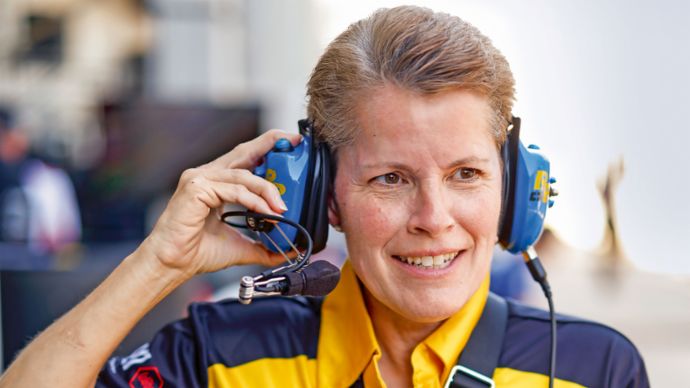
Resourceful:
Katie Church is also part of the management team, with responsibilities including logistics.“We go toe to toe as a family with some really top-class teams.” John Church
The enormous pace of development as a challenge
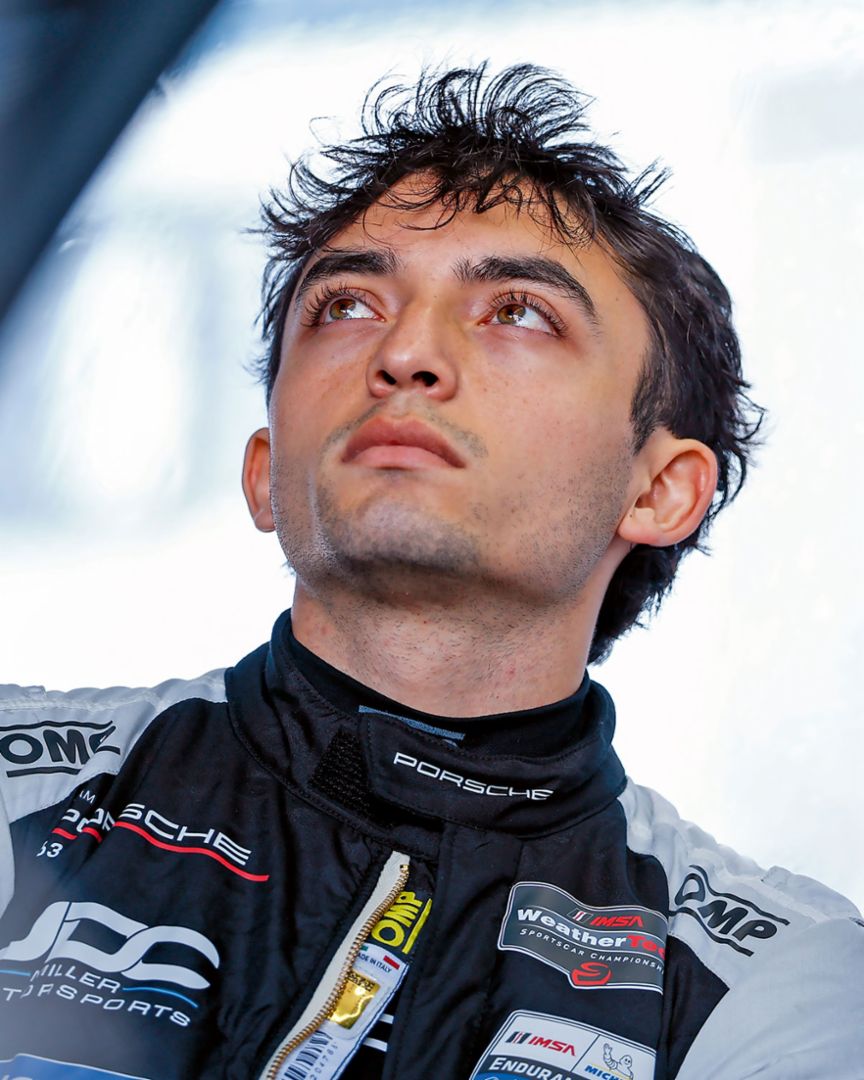
Triumvirate:
Chile’s Nico Pino is the third driver in the JDC-Miller Porsche in Sebring – alongside Kaylen Frederick and Tijmen van der Helm.It’s evening in Sebring. And as the sun begins to fade, the track cools down. Less than two hours remain until the checkered flag is raised at 22:10. The race is entering its decisive phase and the battle between the two Penske Porsche cars at the front is also heating up. JDC-Miller is in eighth place, with Nico Pino behind the wheel for the final two stints. It’s all set for an exciting finale. What does John Church think are the main differences between his team and the much larger factory teams? “The manufacturer teams can share the monitoring of all the various tasks and systems among a much larger number of people,” Church explains. “With us, everybody has to keep track of a lot more different things. This can sometimes be a deciding factor.” In particular the pace of development of the 963 by the factory presents constant challenges for the team. “Porsche is tinkering on software updates right up to the last second for practically every race, which we then receive at short notice and need to get to grips with. It makes everything very complex.”
However, Church does not want to complain about a lack of support. Quite the contrary, in fact. “We work very closely with Porsche Motorsport and Team Penske,” he says. With a knowing smile, he adds: “But perhaps that might suddenly change when we win our first race with the 963. Joking aside, though, they sometimes even give us one of their factory drivers for tests, who is able to tell us where we can do a little better. Or where we’re already doing better, like with braking, for example. They always compliment us on that. Our drivers don’t have the opportunity to make those comparisons, of course.” Good news for the team is that they will be getting some strong support for five of the next seven IMSA GTP race weekends: Laurin Heinrich will be trading the factory cockpit for the JDC-Porsche team.
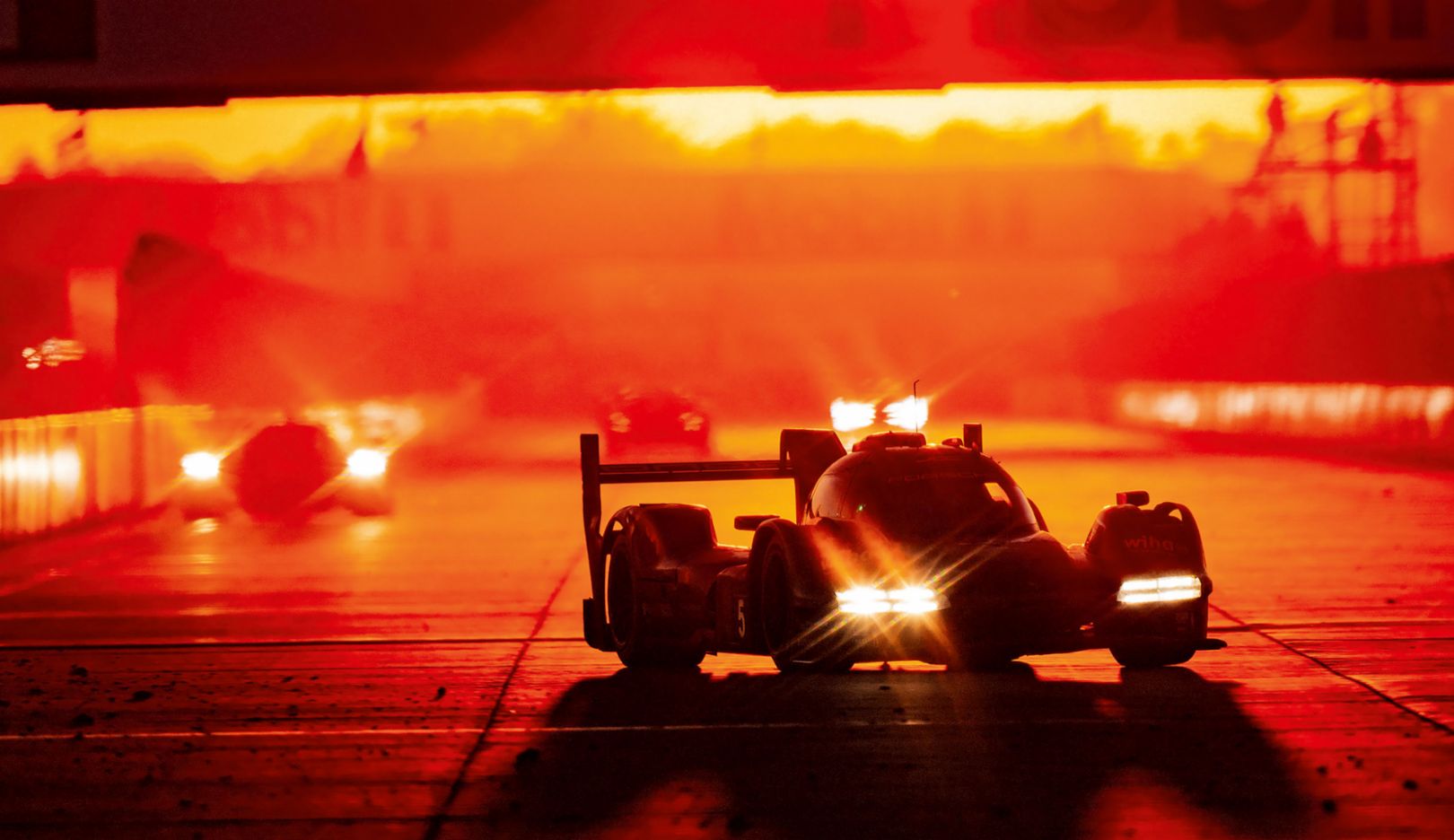
Picturesque:
Sebring International Raceway is an idyllic motorsport setting when the sun goes down.Hard work without reward
The 12-hour race is now in its final moments. The battle for first between Porsche factory drivers Felipe Nasr and Kévin Estre comes to a climax. In the end, the Brazilian prevails, thanks in part to his fresher Michelin tires. Nico Pino, meanwhile, is unable to gain any further ground. The final safety car plays into the hands of his immediate rivals, who lose less time on their final pit stop. The JDC Porsche can now no longer get its tires into the optimal performance window in the cooler temperatures. John Church’s team finishes in eighth place after a brave effort. “It’s a real shame,” says the team principal, unable to hide his disappointment. “If it hadn’t been for that last yellow flag, we might have had a chance of getting up to fifth. But we’ve learned a lot again. We’ll do better in the next race. We’ll try to hunt down the factory teams all over again.”
Unexpected turn of events
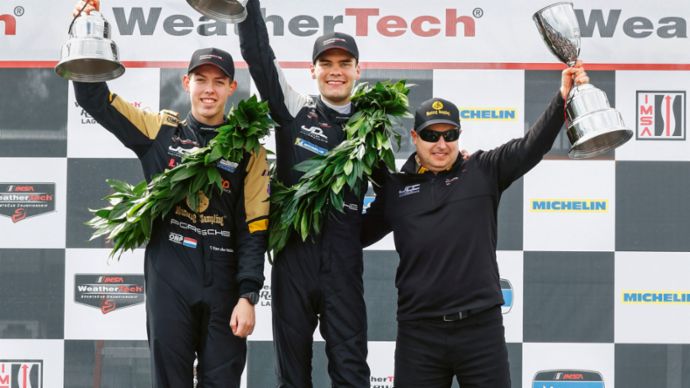
This is where the story from Sebring should have ended. But what happened shortly before Christophorus went to press was nothing short of a sensation and the fulfillment of a dream for John Church and his team. It is early May; the IMSA is holding its fourth race of the season at Laguna Seca, and Laurin Heinrich is now behind the wheel for JDC-Miller MotorSports, sharing the 963 with race number 5 with Tijmen van der Helm. When Heinrich takes over the car in 10th place, he sets off on a historic comeback – on the final lap, he overtakes the previously dominant Cadillac with race number 31 and wins the race. A milestone: It is the first IMSA victory for a customer team since the start of the LMDh era in 2023. “I’m overwhelmed,” John Church says after the victory. “A top performance from the whole team and an outstanding driving display from Laurin Heinrich.” The next races will show whether JDC are still chasing the works teams – or whether they are now the ones being chased.