Roadbook: North Coast 500
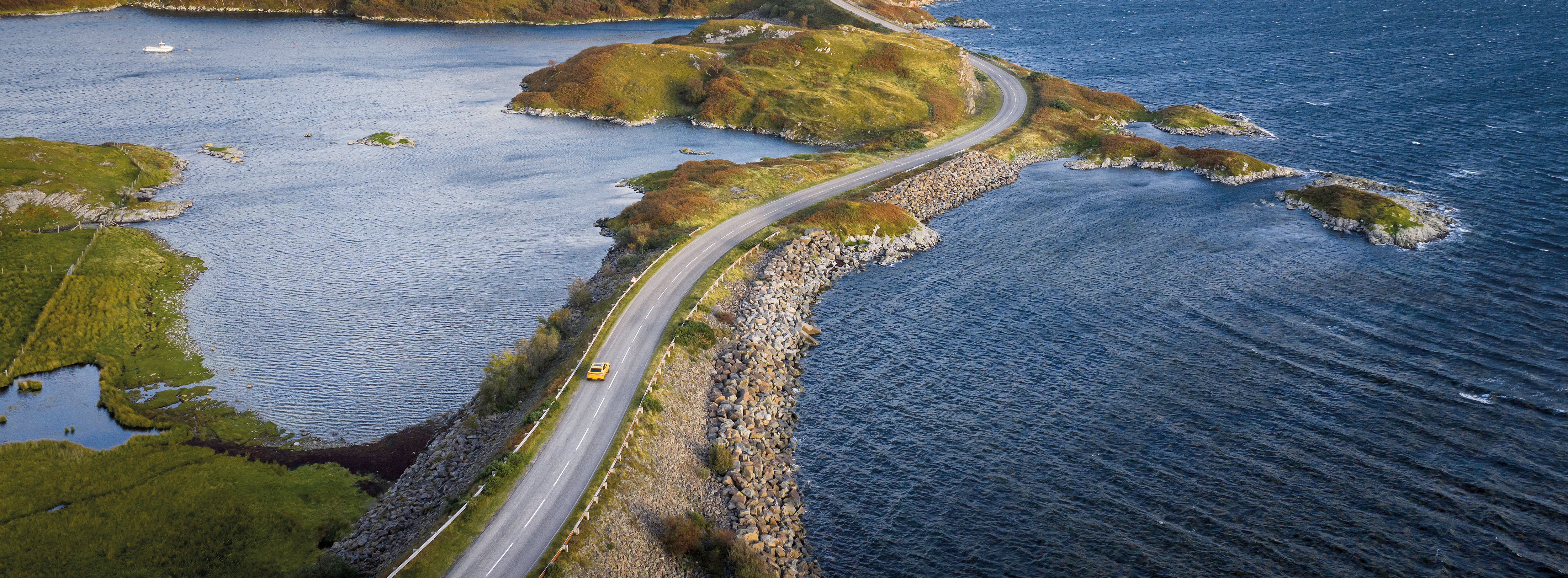
Devised in 2015, Scotland’s North Coast 500 has become one of the world’s most talked-about routes, providing a regional boost and unforgettable driving experiences between the wild ocean and green Highlands.

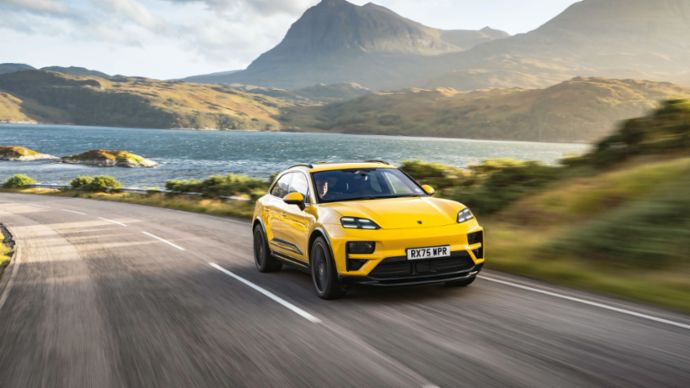
Route 66. The Großglockner. The Transfăgărășan. The debate about the world’s best driving route winds car people up almost as much as the one about where the engine should sit in a car. Over the past 11 years, Scotland’s North Coast 500 has pushed its way into the argument. That’s perhaps because it has a bit of everything you could want from a road trip – especially when experienced from behind the wheel of the all-electric Macan Turbo.
The route weaves its way through the Scottish Highlands, a region dominated by lush vegetation and dramatic mountains and sculpted by lakes, waterfalls, rivers, and sea lochs. Open roads of asphalt alternate with single-track and technically demanding stretches. There are some truly beautiful hotels to stay in and there is fabulous food to eat. There are thousands of years of extraordinary history in plain sight. And there are clever, funny, kind people leading amazing lives all along the way. When viewed altogether, this makes it the perfect route to explore the huge breadth of abilities of the all-electric Macan.
The route is actually a fairly recent creation, officially launched in 2015 by the North Highland Initiative, which was established by King Charles III to promote economic development in the region. The amalgamation of a series of roads that wind their way round the coast of the far north of Scotland, it is very nearly as close to the Arctic Circle as it is to London. And when the local marketeers totted it up and realized it totaled about 500 miles (about 800 km), they arrived at the name: the North Coast 500.
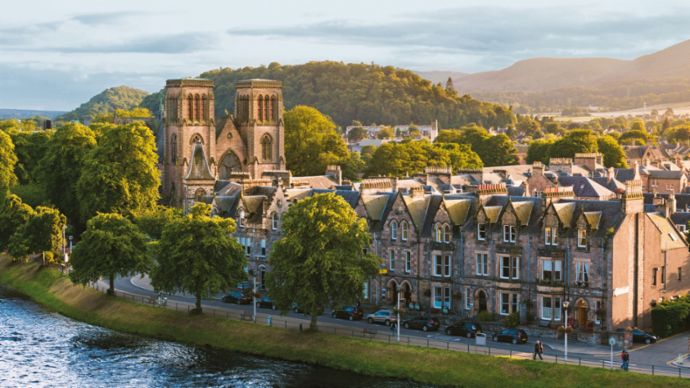
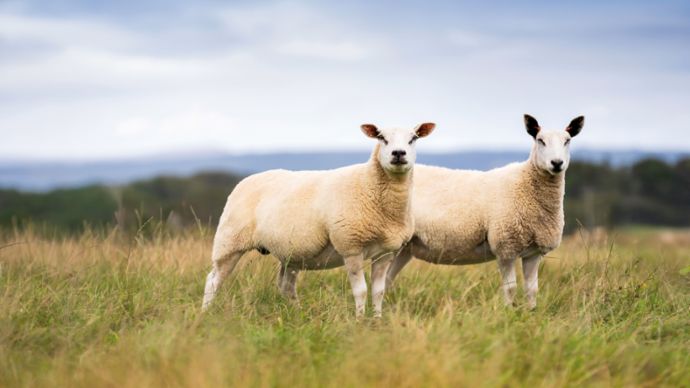
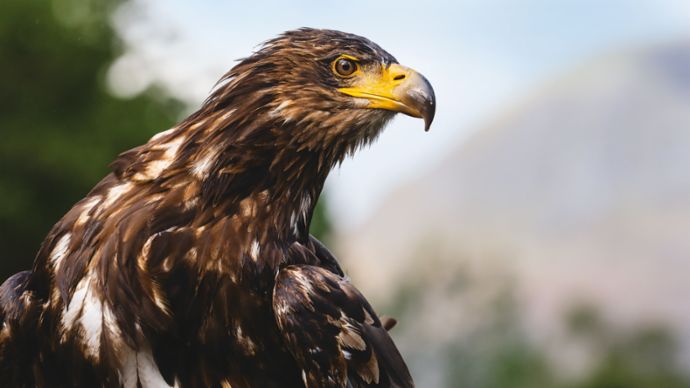
Northern diversity:
With an ever-changing, awe-inspiring backdrop, we encounter historical architecture like that of Inverness (below), countless mountain panoramas, wild animals, and ordinary folk living extraordinary lives along the course of the NC500.Not a gram of tarmac was laid. Not one pothole was filled. Not a penny was allocated to improving the infrastructure. But a Facebook page went live. A few pamphlets were handed out at the next year’s Inverness Classic Car Show. It worked a bit. Then, quickly, it seemed to work a lot. Statistics started to back up the anecdotal evidence that many more people were visiting. A study by Glasgow Caledonian University showed that the NC500 contributed 22.8 million UK pounds (approximately 26.2 million euros) to the region’s economy in 2018 alone. Jeremy Clarkson tackled the route in an episode of the Amazon Prime series The Grand Tour and called it “the best drive in the world.”
So it’s high time that we, too, experience this route for Christophorus – in an all-electric Macan Turbo in Speed Yellow, an eye-catching flash of color against an often stark backdrop. The NC500 starts and finishes in Inverness, a handsome, austere city shaped by Victorian architecture, with an airport and even a sleeper train connection to London – a 12-hour drive away. There’s no official way around to do the route, but a counterclockwise approach has the benefit of building up to the best scenery and narrower roads in the west.
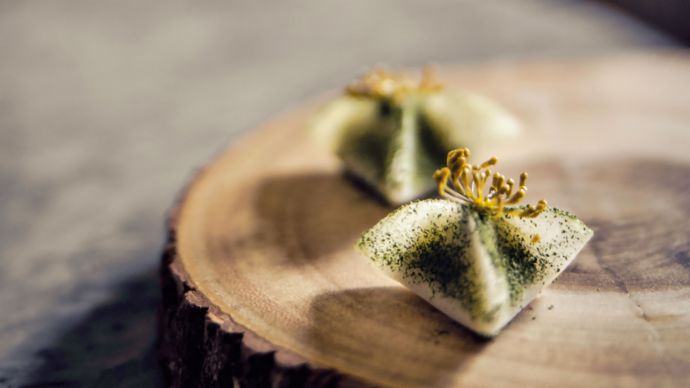
We head off in a northeasterly direction across the Black Isle, with the wild North Sea on the right and the region’s iconic hills on the left, which grow taller as we continue. It’s an ancient but strongly human landscape, with 1,200-year-old Pictish crosses dotting rich farmland – a key element of medieval art and a testament to deeply rooted historical tradition. After around an hour, we reach Glenmorangie House in Tain. Originally converted into a guest house for the nearby distillery, this elegant hotel was recently remodeled and is best known for its inventive cuisine – for example, freshly harvested local scallops followed by tender roast lamb. In the summer, guests are sometimes taken up the hill behind the house to forage for ingredients such as nettles and wild garlic, which are then used in their dinner.
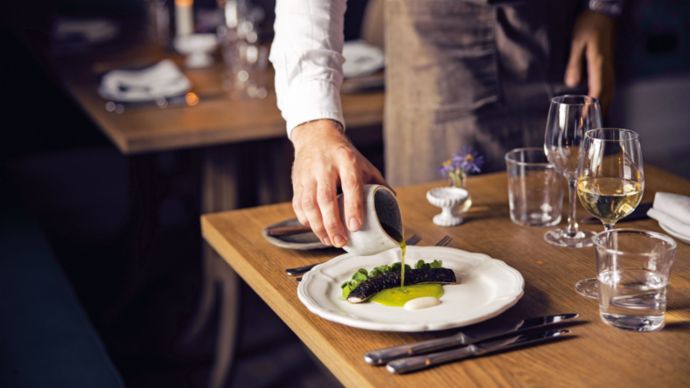
Regional highlights:
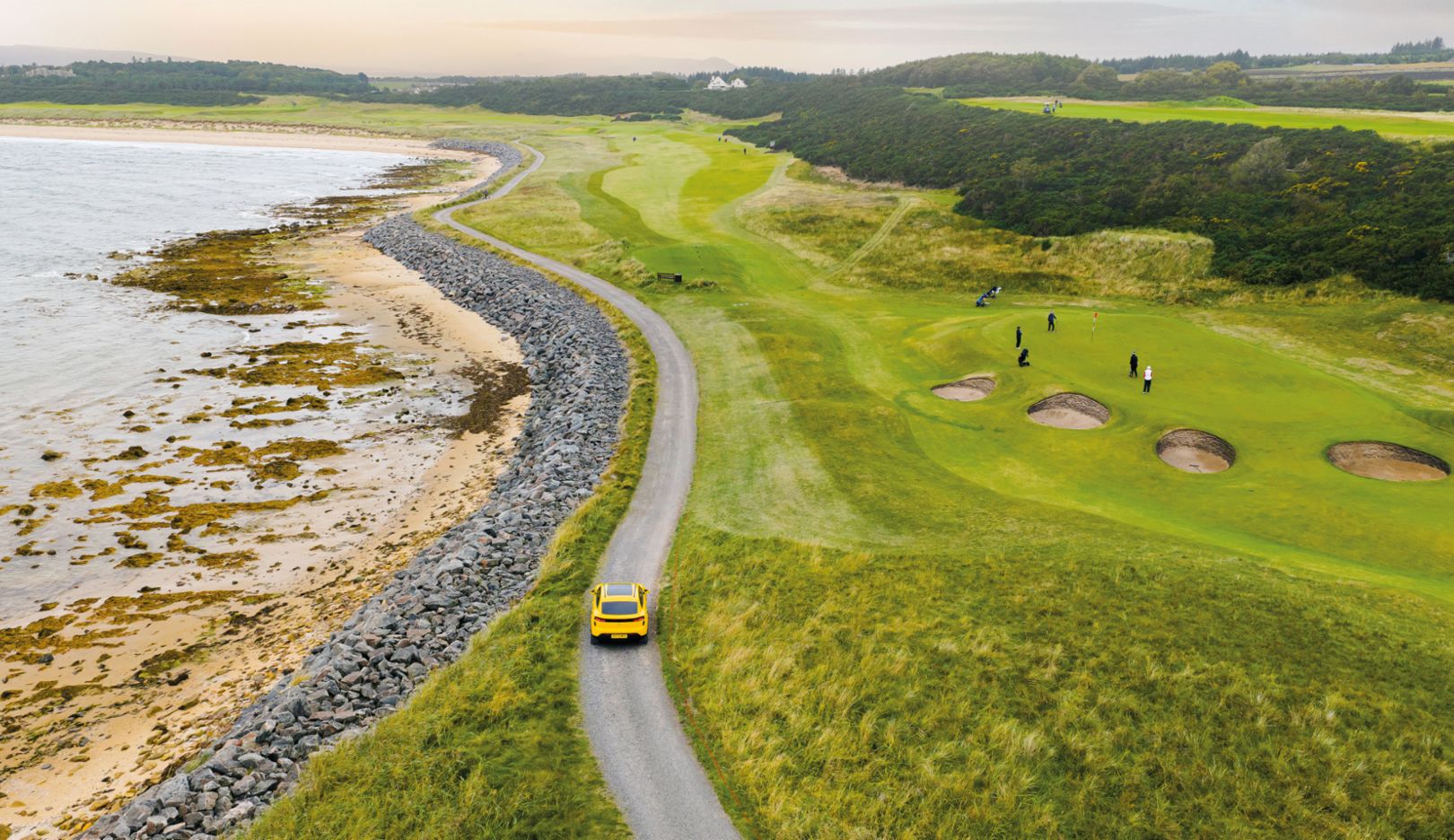
Situated on the northeastern coast, Glenmorangie House is well known for its cuisine – with fresh regional ingredients prepared with finesse (above). Located just a few minutes from the North Coast 500, Royal Dornoch is the third-oldest golf course in the world and a traditional links course (below). This special type of course is notorious for its difficult fairways, deep sand bunkers, and wind.We’re back on the road early the next morning, though the next stop, the Royal Dornoch golf course, is just half an hour north of us. The first round on the legendary links course was recorded in 1616. More recently, the legendary American golf writer Herbert Warren Wind called it “the most natural course in the world,” adding that “no golfer has completed his education until he has played and studied Royal Dornoch.” You don’t need to be a member to play here, but it is a good idea to make a reservation. While the original golfers may have arrived on horseback, today we’ve made the journey in the 630 hp Macan Turbo (Macan Turbo (WLTP)*: Electrical consumption combined: 20.6 – 18.3 kWh/100 km; CO₂ emissions combined: 0 g/km; CO₂ class: A).
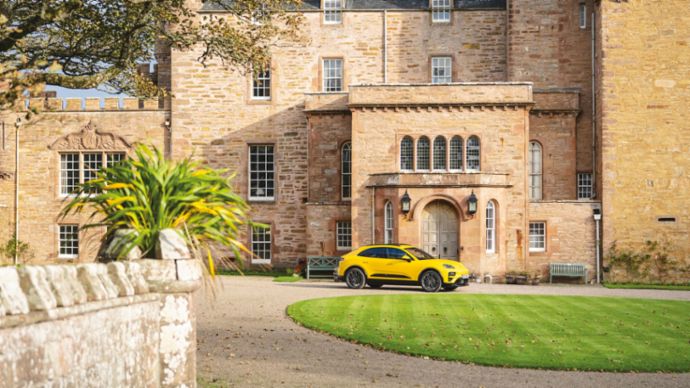
The NC500 starts to get even quieter as we travel further from Inverness. Palatial castles, stunning coastal views, and pretty little fishing villages mark waypoints as we drive the electric SUV further north up the A9. Our destination for the night is the 16th-century Castle of Mey, which was rescued from a dilapidated state by the late Queen Elizabeth The Queen Mother. She spent more than a month there every year and, today, the royal family maintains close links with it, with the King reputed to holiday there to this day.
As the castle comes into view, one thing is certain – this is no ordinary visit. You don’t have to be royal to stay at Granary Lodge, the new luxury bed and breakfast in its grounds, but you’ll certainly feel like you are. It’s a simply extraordinary experience to see the late Queen Mother’s home perfectly preserved as if she just stepped out five minutes ago. Her tiny Wellington boots sit by the front door next to a tray of seashells that she picked up on her daily walks.
Royal accommodation:
Queen Elizabeth The Queen Mother rescued the Castle of Mey from ruin and reputedly spent much of the months of August and October there every year until her death in 2002. The British royal family still uses it to this day, but when unoccupied, the castle is open to the general public.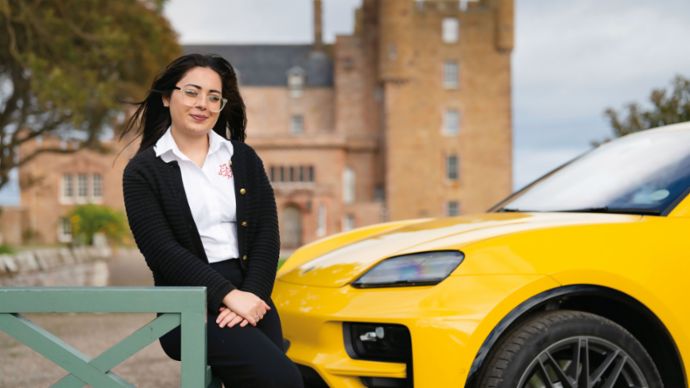
Glamorous side gig:
When her studies allow, Hana Sutherland, 21, works at the Castle of Mey.Hana Sutherland, a student at the University of the Highlands and Islands and a member of the castle staff, grew up here. “The NC500 has brought so many new possibilities to the area, from businesses and jobs to community projects,” she says. “It’s terrific to see people starting their own ventures, creating charities, and finding ways to get people involved and engaged with local life.”
At one with nature:
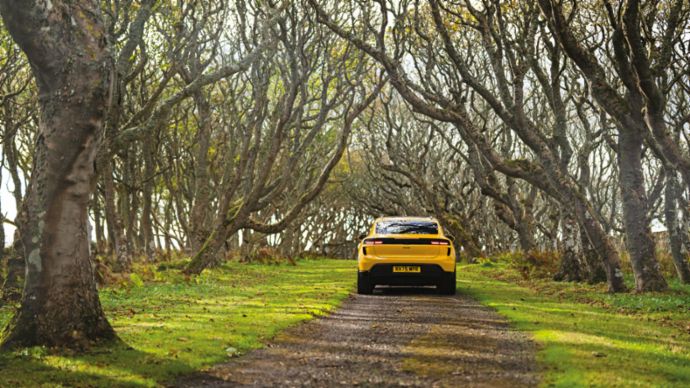
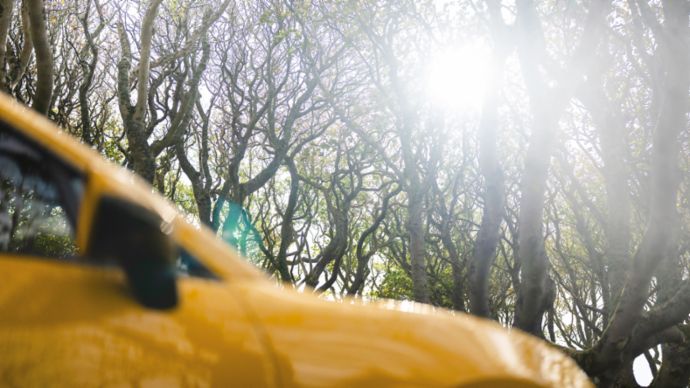
The woods surrounding the Castle of Mey offer protection from the often strong winds that blow in from the Pentland Firth.We drive the Macan along the coast to the MeyGen tidal energy facility, where a different sort of energy and enthusiasm is on show. The world’s largest tidal power plant has been converting ocean currents into sustainable energy on the northern coast since 2016.
Current creates current:
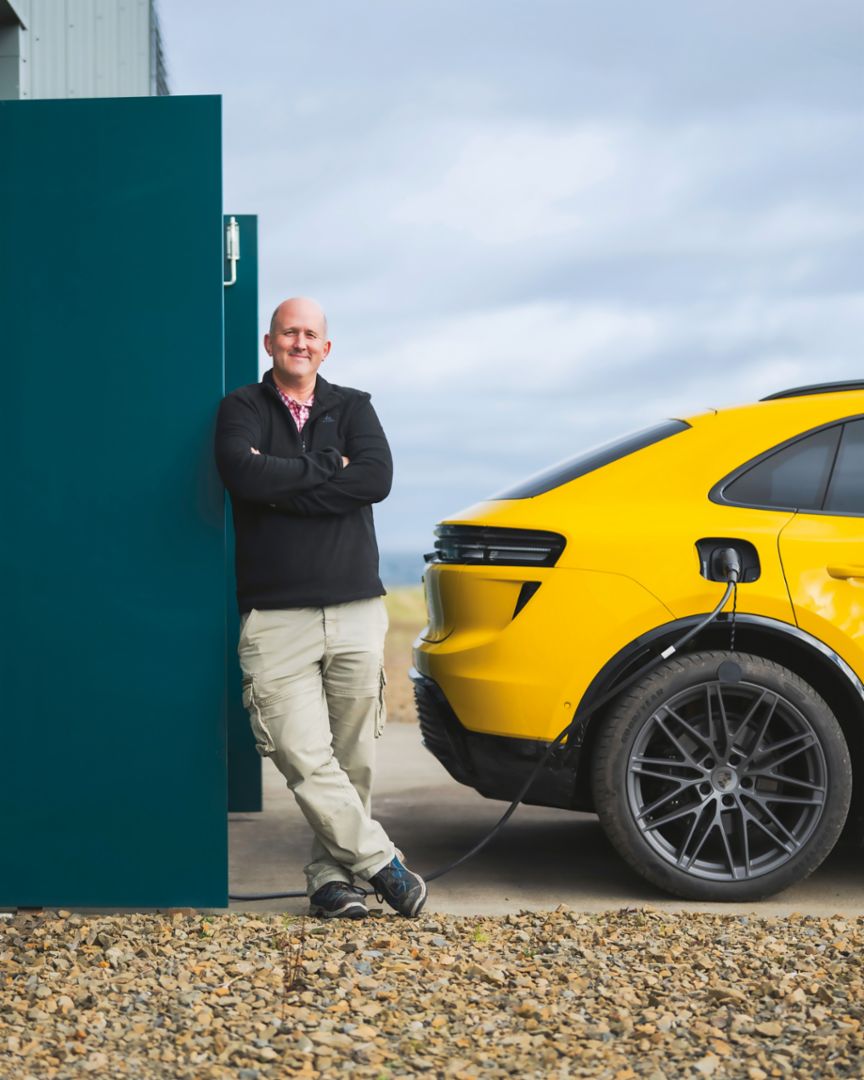
Fraser Johnson works at the world’s largest tidal energy facility.“The Pentland Firth is one of the fastest tidal races in the world, and the Inner Sound is like a natural funnel that forces huge volumes of water through a narrow channel between the Atlantic and the North Sea,” explains Fraser Johnson, Director of Operations and Assets. “The turbines on the seabed are like undersea wind turbines – but they’re out of sight. Unlike the wind, tides are totally predictable. It’s amazing to be part of something that could make a real difference in the fight against climate change.” We have the opportunity to put that to the test – and take Johnson up on his offer to top up the Macan’s battery directly from the MeyGen substation. Ocean-powered driving – in a sports car, no less. Fraser Johnson is unable to conceal his sense of pride. “I grew up here,” he explains. “To be able to come and work on something that’s not only cutting-edge, but rooted in the place – that’s special.”
Pride does seem to be a common thread among those living and working along the NC500. Pride in the beauty of where they live, certainly – but also pride in how they’re working together for the future, using nature’s bounty, Scotland’s extraordinary heritage, and the ingenuity and pioneering inventiveness for which its people have long been rightly famous.
Those qualities are clear to see the moment we reach Castletown, where Claire and Martin Murray are turning a derelict old mill into the brand-new Stannergill whisky distillery. “It was just two storms away from falling down,” laughs Martin, but now the fine old stone building is a hive of activity as craftsmen and women lovingly return it to its former glory. “We’ve got three young children and wanted to raise them here where we were brought up,” explains Claire. “But it’s not easy, as this area has a fragile rural economy where the population is declining and aging and opportunities are few and far between. So, we created our own opportunities.”


They probably wouldn’t have made this decision without the NC500. “We started the business before the NC500 was a thing, and our shop was a bookshelf in our office,” recalls Martin. “A few months later, folk were queuing up across the car park. So we opened a proper shop and we’ve never looked back.” The NC500 makes the business viable and enables them to employ people year-round rather than seasonally. In other words, a classic win-win situation for everyone involved.
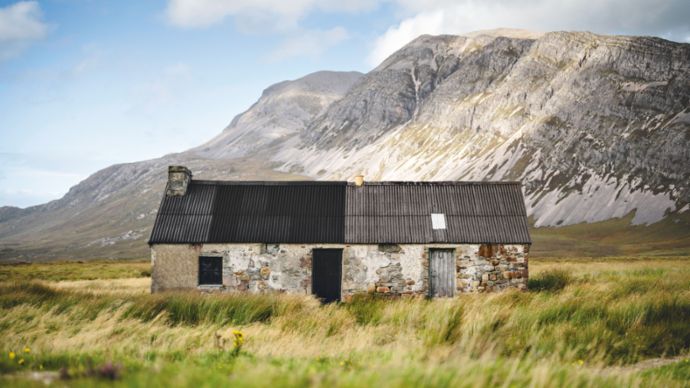
A picture like an oil painting:
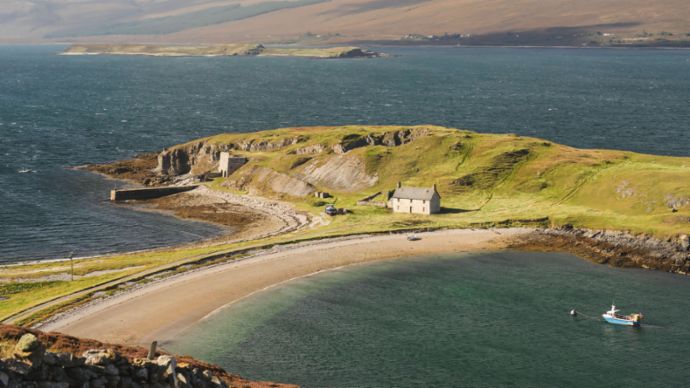
The roadside at the Reay Forest Estate reveals the long-standing tradition of the Highlands.After Thurso, the NC500 stays true to its name, tracking along the far north coast of the British mainland. Pretty soon, the Macan’s nimbleness is appreciated as we get our first taste of the single-track road with passing places, for which the route is notorious. But the views as the road winds around the old Viking anchorage of Loch Eriboll make it worth taking your time. Everyone on the journey agrees that these are the most beautiful roads so far and the eight-bedroom Lundies House in the village of Tongue offers the most spectacular setting yet. It blends Scandi-cool simplicity with earth tones, complemented by scrubbed wooden floors and furniture made by skilled Scottish craftsmen. Tall windows filter cool northern light past handsome old shutters. The views are stunning. In the evening, we enjoy shellfish from the sea just below the hotel and venison accompanied by vegetables picked in the walled garden an hour before dinner. Nothing about Lundies is flashy or complicated, but everything is executed with perfect pitch.
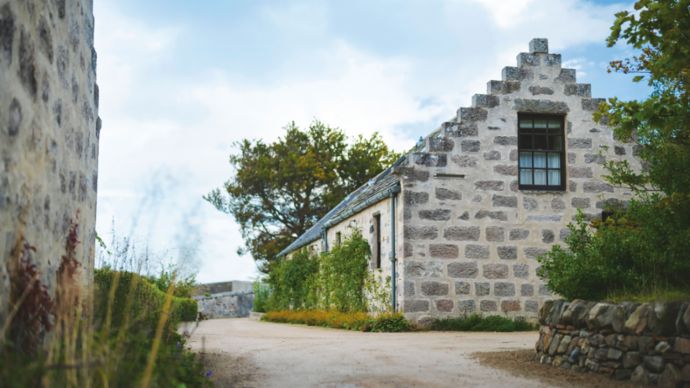
Authentic views:
At Lundies House, guests find lodging in old stone houses.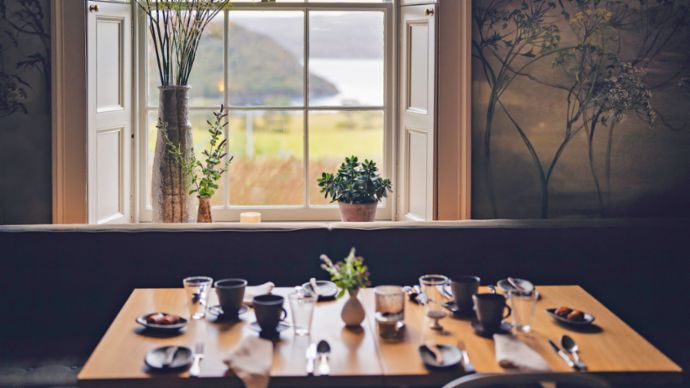
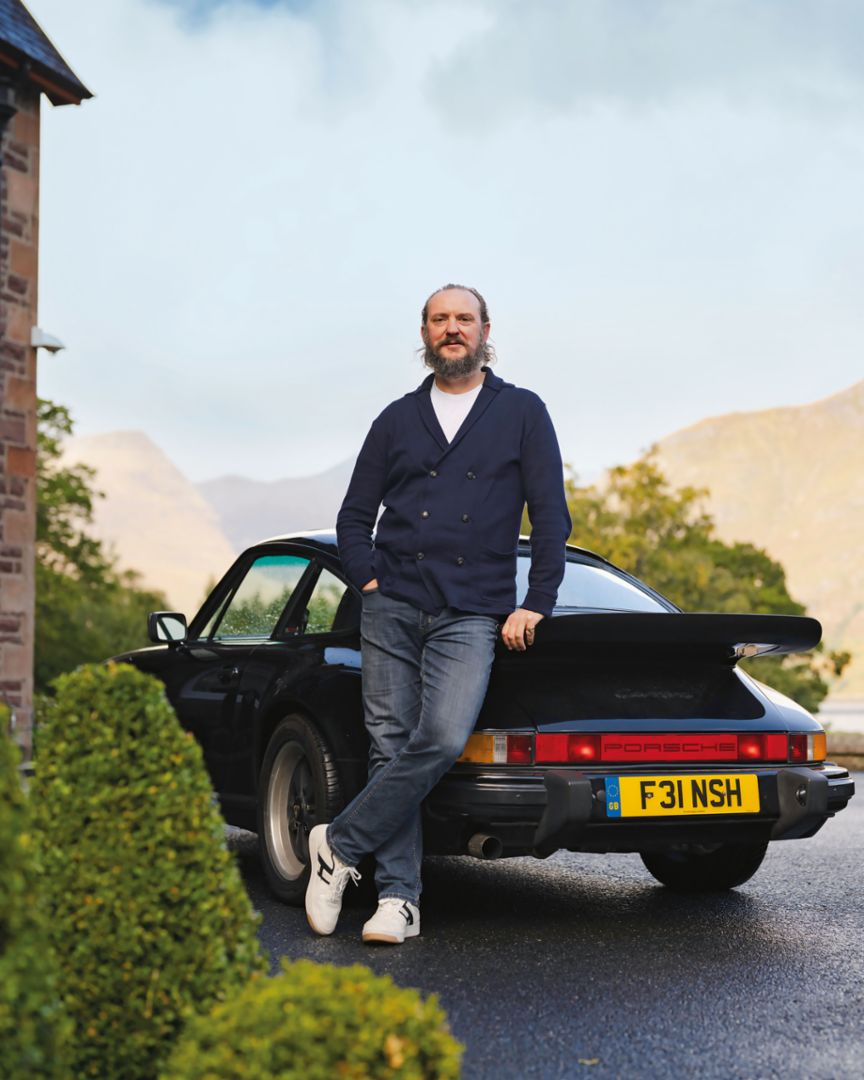
The NC500 right on the doorstep:
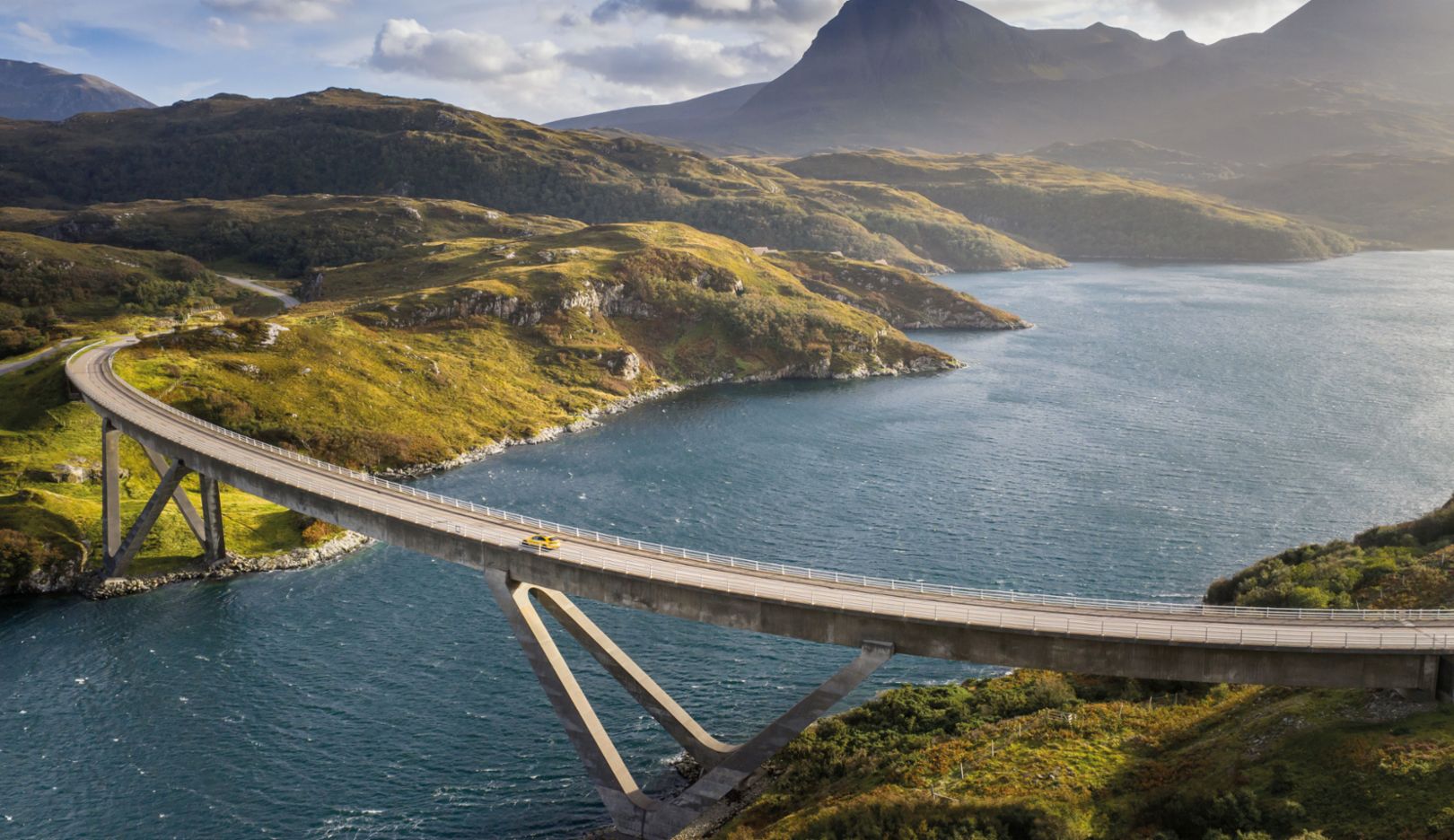
Dan Rose-Bristow, owner of The Torridon hotel, and his 911 Carrera 3.2 Coupé (G-Series) from 1989.Within minutes of leaving the next morning, we’re tracking across the Kyle of Tongue Causeway, a great stretch of road from which to spot wildlife – seals, otters, and even golden eagles and ospreys. The single-track road winds its way through the landscape, with the roads getting wider and better sighted as we head south to Kylesku Bridge, one of the most iconic spots on the route. Our last stop of the day is The Torridon hotel in the small village of Achnasheen. We meet up with its owner, Dan Rose-Bristow, and his beloved 1989 3.2 Carrera Coupé 911 (G-Series) at the Porsche Destination Charger. With the Macan charging, we retire to the bar. “The marketing of the NC500 has been phenomenal, and it’s certainly brought more owners of lovely cars up here,” says Dan. “We really notice it during the shoulder seasons, which are much busier these days and probably the best time to do the NC500, as there are fewer midges and motor homes.” But it’s really important to him to emphasize that visitors should be sympathetic to people’s way of life. “As I can happily say from experience, you don’t have to drive your Porsche antisocially fast to really enjoy the roads up here.”
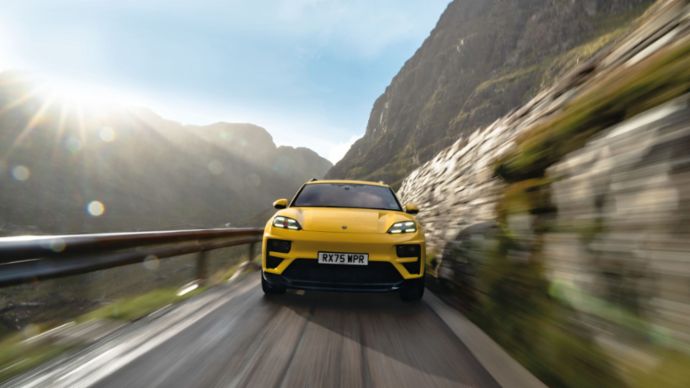
Dan’s advice couldn’t be more important than after departure the next day as the NC500 leads you out onto the Applecross Peninsula. It was only reachable by sea until the mid-19th century, and even today the Bealach na Bà (Pass of the Cattle in Scottish Gaelic) is probably the most challenging section of road on the whole route. It’s very narrow, very steep, and its hairpins are often tight. There are sections with rocks on one side and a drop on the other that mean that the sure-footedness of the Macan really proves its worth.
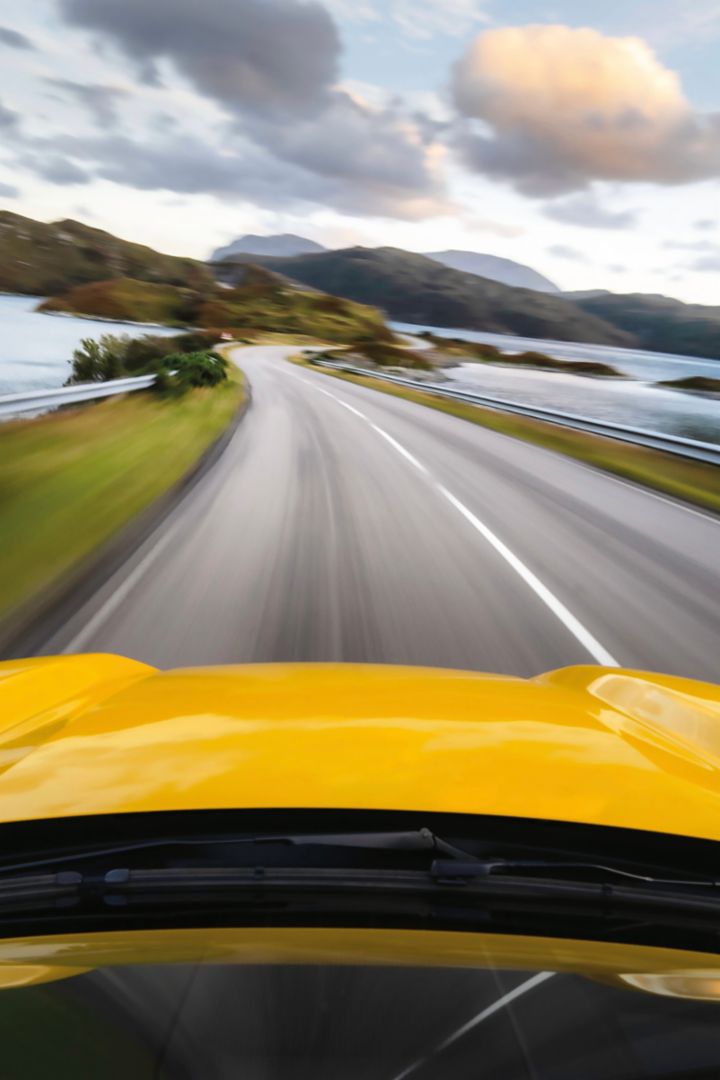
It’s something of a relief to find that the road at the bottom of the Bealach na Bà widens again. The Macan Electric covers the distance effortlessly as we reflect on what we’ve learned about the North Coast 500, the area, the people, and the complex relationship between them all. “If you’re a local and jobs for your kids are important, you have one view of the NC500,” explains David Richardson, the Development and Engagement Manager of NC500 Ltd, who we met up with during one of our stops. “But if you moved up here for the perfect peace and quiet, and that is being disturbed by vehicles not being driven terribly considerately, then you’ll have a very different view of it.” There’s now a pledge on the NC500 website that encourages visitors to leave no trace and to commit to driving responsibly, respecting the environment, and supporting local businesses and charities. It is something so natural that seems all the more important once you’ve driven the route yourself.
Demanding final leg:
Until the mid-19th century, the Applecross Peninsula was only accessible by sea. Today, the Bealach na Bà (Pass of the Cattle in Scottish Gaelic) is one of the most demanding drives in Europe.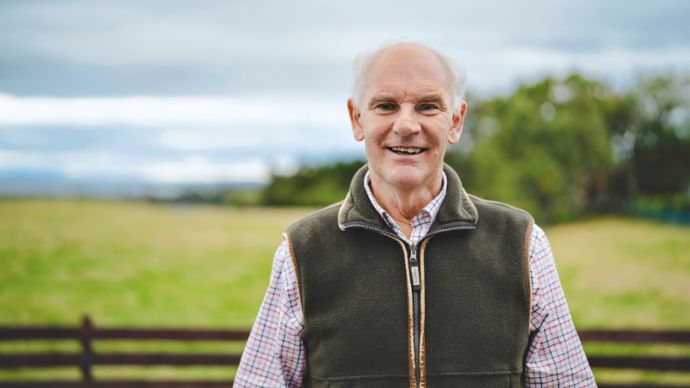
Life along the NC500:
David Richardson, Manager of NC500 Ltd, is thrilled about the route’s success, but also urges people to drive responsibly.The final kilometers run alongside Loch Ness, home of the famous Loch Ness monster. The first reported sighting of “Nessie” was made by a hotelier and it was the local newspaper that started calling it a monster. Similarly, the NC500 has become quite a phenomenon. For more than 10 years, it has been considered one of the most spectacular routes in the world. And those who drive it considerately have a very special opportunity to learn about this extraordinary place – and the even more extraordinary people who live here.
In Search of Tartan
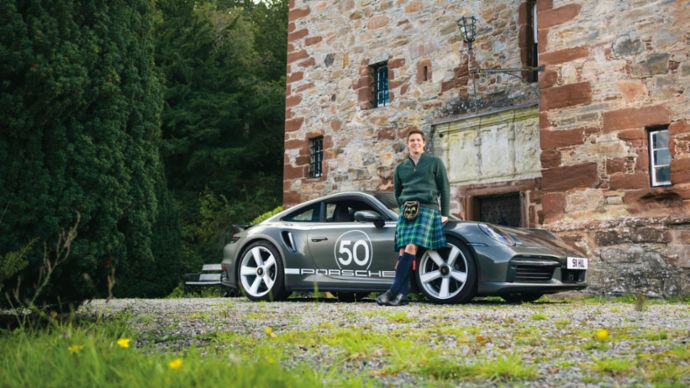
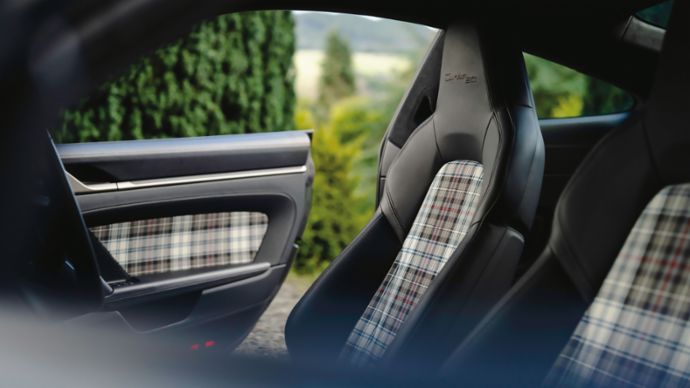
At Porsche, the history of the tartan pattern goes back to the 1970s, when the material was used in the 911 interior for the first time. Our research takes us to Castle Leod, home of Clan MacKenzie. In addition to the Macan, we’ve also brought along the 911 Turbo 50 Years, with its interior in MacKenzie Weathered Tartan. In a conversation with Viscount Tarbat and his father, the Earl of Cromartie and Chief of Clan Mackenzie, we learn more about the significance of the clans. “We can’t just march down the A9 brandishing swords and muskets anymore,” says the Earl with a grin. “But we can show that we belong to a clan in our tartan. Clans unite people regardless of race, religion, or politics.”
The MacKenzie heritage: Learn more about the history of Porsche and tartan in the Porsche Newsroom.